 DriveAtlas
Car Rental in Croatia 2026
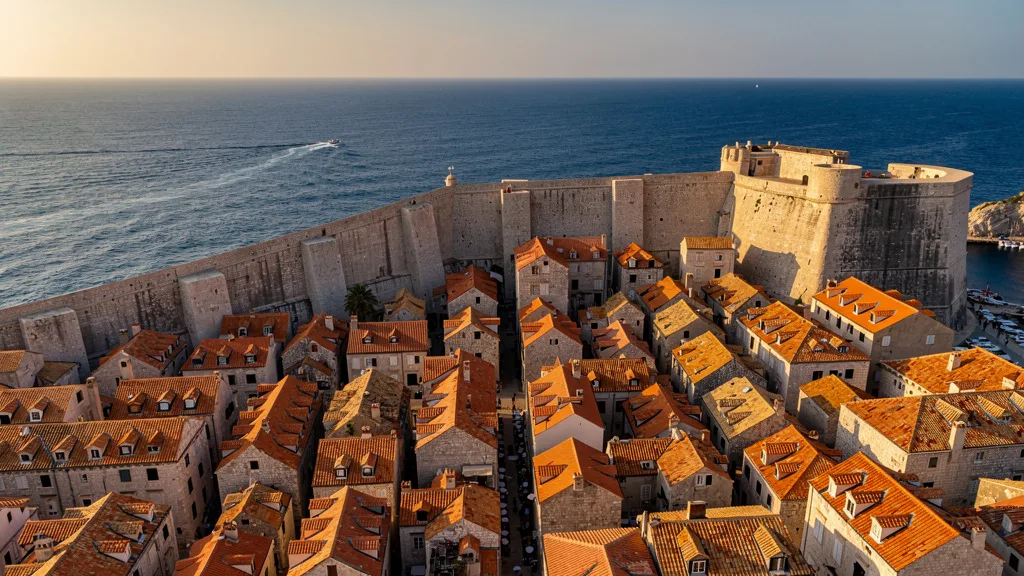
Croatia is what happens when 1,800 km of Adriatic coastline meets 1,200 islands, a UNESCO-listed national park with cascading turquoise lakes, medieval walled cities, and a wine country that most of the world has not discovered yet. The coastline alone would justify the rental car. Adding Plitvice Lakes, Istrian hill towns, and the ability to hop a car ferry to an island makes it irresistible.
We have driven Croatia’s coast three times now, and each trip reveals something new — a hidden cove the guidebooks missed, a konoba (family restaurant) in a village with no signage, an Istrian truffle experience that changed our understanding of that ingredient. The country rewards drivers with a generosity that public transport simply cannot match.
There is a catch: Croatia is expensive in summer. July and August transform the coast into a premium destination where rental car prices double, parking spots evaporate, and Dubrovnik’s old town fills with cruise ship passengers. The smart move is to visit in June or September, when the sea is warm but the prices have not yet achieved their summer absurdity.
Why Croatia Works for a Road Trip
The coastline demands a car. The Adriatic Highway (Jadranska Magistrala, D8) is one of Europe’s legendary coastal drives — 650 km from Rijeka to Dubrovnik, clinging to cliffs above the sea with views that make you forget about the winding road. The best beaches, most atmospheric towns, and finest restaurants are scattered along this route, inaccessible by any reliable other means. Bus service exists, but the schedules and the inability to stop at viewpoints when inspiration strikes make it a pale substitute.
Plitvice Lakes needs timing. The national park (UNESCO) with its cascading turquoise lakes connected by wooden boardwalks is Croatia’s most-visited attraction. Having a car lets you arrive at 07:00 when the park opens, before the tour buses. The park is inland, about 130 km from the coast — a car makes the day trip feasible from either Zagreb or the Dalmatian coast.
Istria is a separate country worth exploring. The northern peninsula has Italian influences, truffle forests, hilltop villages that look like they were designed by a Renaissance painter, and a wine scene that rivals Tuscany at a fraction of the price. The Istrian interior roads are quiet, scenic, and perfect for aimless driving in a way that the busy Dalmatian highway cannot be.
Island-hopping by car ferry is uniquely satisfying. Jadrolinija ferries carry cars to islands like Hvar, Brac, Korcula, and Vis. Driving onto a ferry, crossing the Adriatic, and exploring an island on four wheels is an experience that defines a Croatian road trip and that no amount of tour operator intervention can replicate.
EU membership and Eurozone simplify everything. Croatia joined the EU in 2013 and the Eurozone in January 2023, meaning you pay in euros, border crossings from Slovenia and Hungary are Schengen-seamless, and rental insurance works without complications across EU borders. The cross-border situation with Bosnia and Montenegro (both non-EU) requires specific arrangements, but both are worth the small extra effort.
The motorway system is genuinely excellent. The A1 from Zagreb to Split is a modern three-lane motorway with tunnels and viaducts through mountainous terrain — an engineering achievement that makes the 380 km journey comfortable and efficient. The tolls are real (about 27 EUR Zagreb-Split), but the road is worth it.
The Shape of Croatia and Why It Matters for Drivers
Croatia’s geography is famously unusual — the country wraps around the coast in a crescent shape, with the Dalmatian coast occupying a narrow strip of land between the Dinaric Alps and the Adriatic. This linear geography creates a natural driving corridor: north to south along the coast, with the interior mountains as a backdrop and the sea always visible or nearby.
The practical implication: most Croatian road trips follow the coast from north to south (or vice versa), with detours inland to Plitvice, the Istrian peninsula, or the historical cities of the interior. One-way rentals (Zagreb to Dubrovnik, or Split to Zagreb) are common and logical — you drive the full length of the country and fly out from the other end.
The coastline itself is not the only geography. Croatia’s interior — the Lika plateau, the Plitvice karst region, Slavonia in the east — is largely ignored by tourists but genuinely interesting. Slavonia’s wine region, the Ottoman-era towns along the Sava River, and the Lonjsko Polje wetlands are accessible only by car and reward the traveler who departs the coastal script.
Your Croatia Driving Guides
Driving in Croatia
Road rules, toll system, motorway navigation, and the realities of the Adriatic coastal road in peak season. Including the bora wind warnings, the ferry logistics, and what the hazard-light flash actually means.
Best Road Trips in Croatia
Four routes: the Dalmatian coast highway, the Istrian peninsula loop, the Plitvice-to-Dubrovnik run, and island-hopping by car ferry. Detailed, tested, practical, including stop-by-stop itineraries.
Airport Car Rental in Croatia
Zagreb, Split, and Dubrovnik airports compared. Peak season pricing, agency availability, and why your pickup airport choice matters more in Croatia than in most European countries.
Best Cities to Rent a Car in Croatia
Zagreb, Split, and Dubrovnik ranked for rental cars. Where to find the best rates, how to survive parking in the old towns, and which city is the smartest starting point for different itineraries.
Car Rental Costs in Croatia
The full financial picture: the dramatic seasonal pricing swings, insurance options and excess levels, toll costs, ferry fees, and the strategies that keep your budget manageable.
Practical Information
Currency: Euro (EUR), since January 2023. No currency exchange needed for EU visitors. Credit cards are accepted everywhere in cities and tourist areas. Smaller markets, toll booths, and rural fuel stations may prefer cash.
Driving side: Right.
Speed limits: 50 km/h urban, 90 km/h rural national roads, 110 km/h expressways, 130 km/h motorways. Fixed and mobile speed cameras throughout. Section speed enforcement on several motorway stretches.
Tolls: Distance-based on motorways — take a ticket at entry, pay at exit. Zagreb to Split costs approximately 27 EUR. The coastal D8 highway is free but slower.
EU/Schengen borders: No controls at borders with Slovenia, Hungary, Austria, and other Schengen countries. Bosnia and Herzegovina and Serbia still require border checks — declare cross-border plans to your rental agency before booking.
Documents required: Valid driving license, passport or national ID, rental agreement. Non-EU/EEA license holders should carry an International Driving Permit.
Seasons: Best driving months are May-June and September-October — warm enough for swimming, uncrowded roads, prices 30-50% below peak summer. July-August is crowded and expensive but unavoidable if that is when your holidays fall. Winter is mild on the coast but many tourist facilities close, and mountain roads can be icy.
Language: Croatian, Latin alphabet. English is widely spoken in tourist areas, rental agencies, hotels, and restaurants. Signage on main roads is in Croatian but uses recognizable place names.
For the complete driving rules breakdown, start with our driving guide. Extending your trip? Our Slovenia guide covers the northern neighbor, and the Bosnia guide handles the inland alternative with Mostar and the Neretva Valley.