 DriveAtlas
Car Rental in Mauritius 2026
Mauritius is a tropical island that most people experience from a resort lounge chair, and while there is nothing wrong with that approach, it misses roughly 90% of what makes this place interesting. The island is 65 km long and 45 km wide – small enough to circumnavigate in a day, varied enough to spend a week exploring. Beyond the beachfront hotels lie volcanic mountains, black river gorges, Hindu temples painted in colors that challenge the surrounding flowers, rum distilleries, tea plantations, and fishing villages where the day’s catch arrives on wooden pirogues. None of this is accessible from a resort pool.
We rented a car at Sir Seewoosagur Ramgoolam International Airport and spent six days driving every road we could find. The experience was equal parts beautiful and humbling – left-hand driving on narrow roads shared with sugar cane trucks, stray dogs, and cyclists carrying improbable loads, all while navigating a landscape so gorgeous that the temptation to stare at the scenery instead of the road was constant. The rental was cheap, the fuel was reasonable, and the freedom to explore on our own schedule transformed a pleasant beach holiday into a genuine adventure.
Why Rent a Car in Mauritius
The public bus system in Mauritius is surprisingly extensive but very slow. Buses connect most towns and villages, but the routes are indirect, the schedules are unreliable, and a journey that takes 30 minutes by car can take 90 minutes by bus with a transfer in Port Louis. Taxis are available but expensive for touring – a full-day taxi with driver costs 2,500-4,000 MUR ($55-88), roughly the same as several days of car rental.
A rental car gives you the flexibility to chase the weather (the island has distinct microclimates – if it is raining on the east coast, the west is often sunny), visit multiple beaches in a day, and reach the viewpoints, waterfalls, and interior mountains that make Mauritius more than just a beach destination.
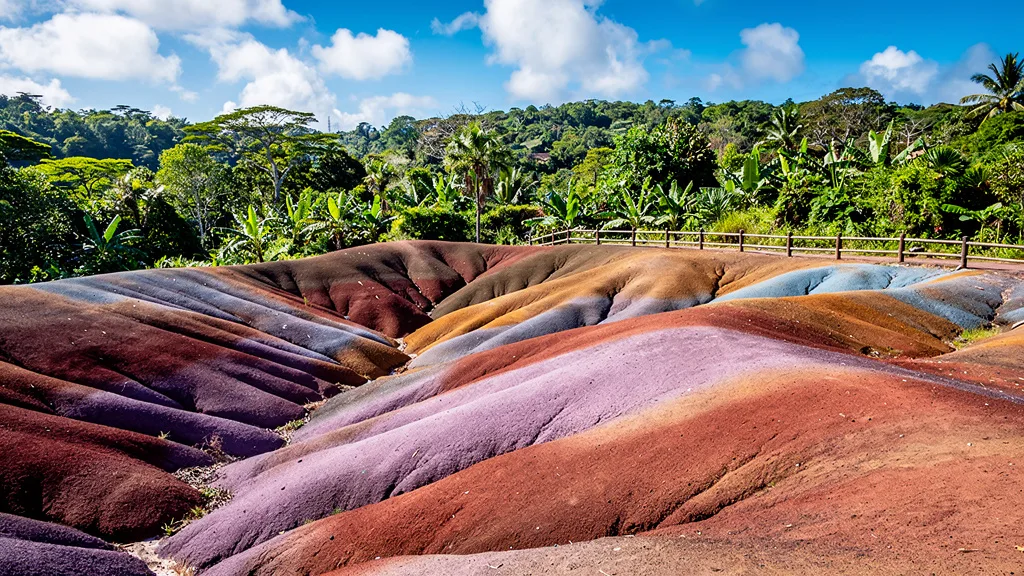
The key destinations only accessible by private car include the Black River Gorges viewpoints, the Chamarel waterfall and Seven Coloured Earth, the remote south coast at Gris Gris and Rochester Falls, the Bois Cheri tea plantation, and dozens of village roads and coastal tracks that buses simply do not serve.
What to Explore
- Driving guide – Left-hand traffic, road rules, sugar cane truck etiquette, and what to expect on Mauritian roads
- Best road trips – Black River Gorges, the wild south coast, northern beaches, and the tea road
- Airport car rental – Picking up at SSR International Airport with agency comparisons and tips
- Top cities for car rental – Port Louis, Grand Baie, and Flic en Flac compared
- Costs and tips – Daily rates, insurance, fuel prices, and money-saving strategies
Practical Quick Facts
| Detail | Info |
|---|---|
| Drives on | LEFT side (British legacy) |
| Speed limit (motorway) | 110 km/h |
| Speed limit (urban) | 40 km/h |
| Currency | Mauritian rupee (MUR), ~45 MUR = $1 |
| Fuel price | ~65-72 MUR/L ($1.44-1.60) |
| Tolls | None |
| Rental prices from | ~20-30 EUR/day (local agencies) |
| International license | IDP required alongside national license |
| Country code | +230 |
| Emergency (police) | 999 |
| Emergency (ambulance) | 114 |
| Island size | 65 km x 45 km |
| Coastline length | ~330 km |
Car Rental Basics
Rental prices: Economy cars from local agencies start around 20-25 EUR per day in low season. International brands (Hertz, Avis, Europcar) run 30-50 EUR/day for compact cars. Weekly rates offer 15-20% discount over daily rates.
Driving side: Mauritius drives on the LEFT, a legacy of British colonial rule (the country was British from 1810 to 1968). The roads are right-hand drive, meaning the driver sits closest to the road center. For continental European and American drivers, this is the primary adjustment.
International Driving Permit: Mauritius is one of the few tourist destinations that actively enforces the IDP requirement. Bring one. It costs $15-20 in most countries (AA/AAA in the US, Post Office in the UK, ADAC in Germany) and is valid for one year from the date of issue. Without it, some agencies will refuse to rent and your insurance may not cover an accident.
Automatic transmission: Unlike Europe where manual is the default, most rental cars in Mauritius are automatic. Since you are already adjusting to left-hand driving, this is a helpful simplification.
Vehicle choice: A compact car handles 95% of Mauritius roads, including mountain roads and the south coast. An SUV or 4WD is only necessary for unpaved tracks to very remote beaches, which are optional. Most visitors do well with an economy or compact.
When to Visit
Mauritius has two seasons. Summer (November-April) is warm, humid, and wetter, with temperatures around 25-33 degrees Celsius. This is cyclone season, though direct hits are rare. Winter (May-October) is drier, cooler (18-25 degrees), and generally better for driving – less rain, clearer roads, and comfortable temperatures.
The sweet spot is September-November or April-May: shoulder seasons with good weather, lower hotel prices, and the same beautiful island. Peak tourist season (December-January) brings higher rental prices and heavier traffic around Grand Baie and the north coast.
Driving conditions are year-round friendly, but heavy tropical rain during summer can reduce visibility dramatically and create temporary flooding on low-lying coastal roads. If you encounter a heavy downpour, pull over and wait – they rarely last more than 20-30 minutes.
Mauritius vs. Nearby Islands for Self-Drive
| Island | Rental Cost | Driving Difficulty | Road Quality | Self-Drive Suitability |
|---|---|---|---|---|
| Mauritius | Moderate | Moderate (left-hand) | Good main roads | Excellent |
| Reunion | Higher (French pricing) | Moderate | Very good | Excellent |
| Seychelles | Very high | Easy | Good on Mahe | Good (Mahe only) |
| Maldives | N/A | N/A | Island-based | No self-drive |
Mauritius is the best self-drive value in the Indian Ocean region. Reunion has arguably better mountain scenery but higher prices. Seychelles is beautiful but the rental cost is prohibitive for most budgets.
Mauritius is one of those destinations where having a car changes the entire trip. The beach resorts are lovely, but the island beyond them is extraordinary – and it is all within an hour’s drive.
For island comparisons, see Reunion and Seychelles. General rental advice is in our car rental insurance guide.