 DriveAtlas
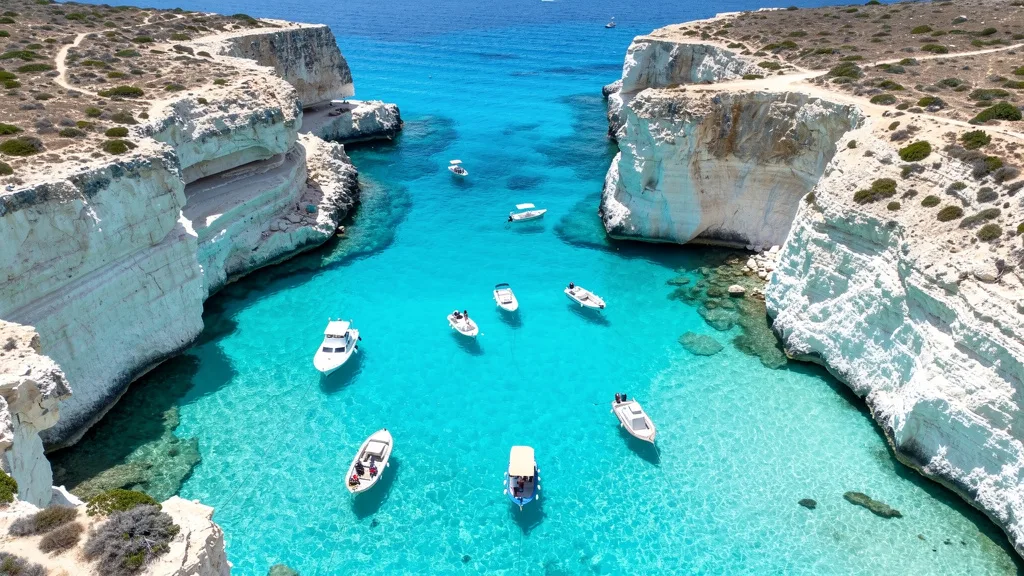
Best Road Trips in Malta
Calling anything in Malta a “road trip” requires some generosity with the concept. The island is 27 km from north to south and 14.5 km at its widest. You can drive the entire coastline in a few hours. But what Malta lacks in distance, it compensates with density. Every few minutes of driving delivers another ancient temple, coastal viewpoint, hidden bay, or fortified village. These are not road trips in the American sense – they are concentrated explorations where the driving is short and the stops are long.
We drove every route listed below over five days, and the total distance was probably less than 350 km. The total number of things we saw, however, would fill a month in a larger country. That is the Malta paradox: the smallest roads lead to the biggest surprises. And some of those roads are genuinely the smallest we have ever driven a car on anywhere in Europe.
Route Comparison
| Route | Distance | Drive Time | Full Day With Stops | Best For |
|---|---|---|---|---|
| Southern Coast Loop | 45 km | 1.5 hours driving | 6-8 hours | Temples, fishing villages, cliffs |
| Northern Beaches & Bays | 35 km | 1 hour driving | 4-6 hours | Swimming, quiet bays, countryside |
| Gozo Island Circuit | 40 km | 1.5 hours driving | Full day | Salt pans, Citadel, Ramla Bay |
| Mdina & Central Malta | 25 km | 45 minutes driving | 3-4 hours | Medieval city, crafts village, catacombs |
| Three Cities Loop | 20 km | 30 minutes driving | 3-4 hours | Harbour fortifications, Birgu history |
| Valletta Day (car-free) | Walk | Walk | Full day | Capital city on foot |
Route 1: Southern Coast Loop
This is the quintessential Malta drive – the one that touches the island’s most iconic sights in a single day. From the neolithic temples at Hagar Qim to the fishing boats of Marsaxlokk and the cliffs at Dingli, this route covers 7,000 years of island life in 45 km.
The Route
Malta Airport area to Blue Grotto (10 km, 15 minutes)
Head southwest from the airport area through Zurrieq. Signs for the Blue Grotto appear well before the coast. The viewpoint above the grotto is free and spectacular – a series of limestone arches over turquoise water with sea caves below. Boat trips run from the small harbor (8 EUR per person, 25 minutes) and are worth it when seas are calm enough for safe access. The boats navigate into the caves, where the light filtering through the water creates the blue effect that gives the site its name. Early morning light (before 10:00) is best for the cave colors; later in the day the sun angle changes and the effect diminishes.
Even if seas are too rough for boats, the viewpoint and the geological landscape are worth the stop. The limestone coastal formations here are among the most dramatic on the island.
Blue Grotto to Hagar Qim and Mnajdra Temples (3 km, 5 minutes)
Continue along the coast road. These UNESCO-listed neolithic temples are older than the Egyptian pyramids – Hagar Qim dates to approximately 3600 BC, predating the pyramids by a thousand years. The temples were built by a civilization that subsequently disappeared without explanation, leaving behind structures so precisely aligned to astronomical events that modern archaeologists are still debating their purpose.
A purpose-built visitor center provides context before you see the temples themselves, which is actually useful rather than annoying – the history is complex and the context makes the stones meaningful. The temples sit on a dramatic clifftop overlooking the sea, with the uninhabited island of Filfla on the horizon. Entry: 10 EUR for both temple complexes, including the visitor center.
Allow 60-90 minutes, more if you engage seriously with the material.
Hagar Qim to Dingli Cliffs (8 km, 15 minutes)
Drive west along the coast to the village of Dingli and the cliffs beyond. At 253 meters, this is the highest point on Malta – a modest altitude that nonetheless delivers dramatic effect because the cliffs drop vertically to the sea. On a clear day (which is most days on Malta), the uninhabited island of Filfla sits directly below, and the Sicilian coast is sometimes visible on the distant horizon.
The landscape around the cliffs is the most genuinely rural part of Malta: terraced carob and olive groves, chapel ruins, stone walls, and the kind of quiet that barely exists elsewhere on the island. A small chapel dedicated to St. Mary Magdalene stands near the cliff edge.
Lunch at Dingli Cliffs: Several restaurants have claimed the cliff-edge real estate, including The Cliffs Bar & Restaurant and the Bobbyland Restaurant. Expect 12-18 EUR for a main course with cliff views. The views are free with your meal, which at least makes the price feel reasonable.
Dingli Cliffs to Marsaxlokk (20 km, 30 minutes)
Cross the island east. This is the longest section of driving on the route, passing through inland Malta – a landscape of small towns, carob trees, and occasionally muddy construction sites that are gradually spreading development to parts of the island that were rural a decade ago.
Marsaxlokk is Malta’s most photogenic fishing village, and one of its most genuine. The harbor is filled with brightly painted luzzu boats – the traditional Maltese fishing boats decorated with eyes on the bow (a Phoenician superstition that persists beautifully). The fish are still landed here, the fishermen still maintain their nets by the harbor, and the waterfront restaurants still serve the catch of the day with the casualness of people who have been doing this for generations.
Sunday market: If visiting on a Sunday morning, Marsaxlokk’s famous fish market expands into a general market covering the entire waterfront, selling everything from fresh fish and octopus to honey, lace, and tourist souvenirs. The fish section (packed with locals before 10:00, tourist-oriented after) is the reason people come. Arrive before 09:30 for the best atmosphere, and expect to pay 30-50% above supermarket prices for the spectacle.
Marsaxlokk to St. Peter’s Pool (5 km, 10 minutes)
A short drive south from Marsaxlokk leads to one of Malta’s best natural swimming spots. St. Peter’s Pool is a natural rock pool carved by the sea – a circular bowl of limestone with flat platforms for sunbathing and clear water for swimming and cliff jumping (from low rocks, not the high sides). No facilities, no entrance fee, no shade, no lifeguards – bring water, sunscreen, and footwear with grip for the rocks.
The drive to St. Peter’s Pool involves a brief section of rough track – manageable in any rental car but worth slowing down for. Park in the small lot at the end of the track and walk five minutes to the water.
St. Peter’s Pool to Valletta / Starting Point (15 km, 25 minutes)
Return north. If ending at Valletta, park at Floriana and walk in (see our driving guide for parking advice). The Floriana Park & Ride is free on weekends and a 5-minute walk from Valletta’s city gate.
Planning Tips
- Full day. Allow 6-8 hours with all stops, meals, and swimming.
- Sunday for Marsaxlokk. The fish market is the highlight. Weekdays are quieter but less atmospheric.
- Blue Grotto boats depend on weather. Check sea conditions before counting on the boat trip. The viewpoint is worth visiting regardless.
- Fuel up before starting. The southern coast has fewer petrol stations than the main arterial roads.
- Bring cash. St. Peter’s Pool boat operators and some local restaurants are cash-only.
Route 2: Northern Beaches and Bays
The north of Malta feels different from the busy south. More agricultural, quieter, dotted with sandy bays and rocky coves that the tour buses do not reliably reach. This route is ideal for a beach-focused day with some countryside driving and the option to combine with Gozo via the ferry at Cirkewwa.
The Route
Bugibba / St. Paul’s Bay to Golden Bay (12 km, 20 minutes)
Head west from Bugibba. Golden Bay is one of Malta’s two proper sandy beaches – a genuine crescent of reddish sand with calm, shallow water, lifeguards in summer, and a hillside backdrop of agricultural terraces. It gets busy in peak summer, but early morning or late afternoon visits (before 09:30 or after 16:00 in July-August) are pleasant. The Radisson Golden Sands hotel has a cafe and terrace visible from the beach; other facilities (sunbeds, water sports) are available in season.
Golden Bay to Ghajn Tuffieha Bay (1 km walking, 10-minute walk)
From Golden Bay car park, a footpath and steep steps (about 200 steps, 10-minute walk including the descent) lead to Ghajn Tuffieha (also called Riviera Bay). This is the more scenic, less developed sister beach – clay-colored cliffs, reddish sand, turquoise water, and consistently fewer people because the staircase deters the casual visitor. There are no facilities and no sunbeds. Bring everything you need.
The view from the top of the steps back toward Golden Bay is one of the best coastal photographs on the island.
Ghajn Tuffieha to Popeye Village (6 km, 10 minutes)
Drive north to Anchor Bay and Popeye Village, the wooden film set built for the 1980 Robin Williams and Shelley Duvall movie. It has been converted into a small amusement park (18 EUR adults, 13 EUR children). Even if you skip the park itself, the bay is beautiful – a narrow fjord-like inlet with the distinctive wooden village at its head – and the viewpoint from the cliff approach (free) gives a good view without the entrance fee.
The road to Anchor Bay is narrow and winds dramatically to the water. No problems for a compact car; just take it slowly.
Popeye Village to Cirkewwa / Gozo Ferry Terminal (8 km, 15 minutes)
Continue north to Malta’s northern tip. Cirkewwa is where the Gozo ferry departs (roughly every 45 minutes in summer). If not crossing to Gozo today, the area has excellent swimming at Paradise Bay – a sheltered cove below the clifftop accessible by a short drive and then steps down to the waterline. The cove is small and tranquil, with clear water and natural shade from the limestone walls in the afternoon.
Paradise Bay to Mellieha (5 km, 10 minutes)
Head back south to Mellieha, a hilltop village with Malta’s largest sandy beach in the bay below. Mellieha Bay is notable for having the shallowest, warmest water on the island – excellent for families with small children, which is why it attracts so many of them. The beach is long and the water is calm.
Mellieha village, above the bay, has a handful of excellent restaurants and the Church of Our Lady of Mellieha, perched on the ridge with panoramic views of the bay, the Gozo channel, and Comino Island. The underground church (a cave sanctuary) is one of Malta’s most atmospheric religious sites.
Mellieha to Starting Point (10-15 km, 20-30 minutes)
Return to your base, most likely along the main regional road.
Planning Tips
- Bring swimwear. This route is about the beaches. Every stop has swimming opportunities.
- Towels and water. Some beaches (Ghajn Tuffieha, St. Peter’s Pool) have zero facilities.
- Summer crowds. Golden Bay and Mellieha get packed on summer weekends. Go on weekdays or early morning.
- Combine with Gozo. If at Cirkewwa, the ferry makes a natural extension to the Gozo circuit.
- Comino detour. The Blue Lagoon on Comino island (boat from Cirkewwa or Mgarr) is a famous stop for clear turquoise water. Takes 2-3 hours as a half-day by boat, not by car.
Route 3: Gozo Island Circuit
Gozo is Malta’s smaller, quieter, greener sister island. Where Malta is densely built, Gozo retains a rural character – terraced fields, stone farmhouses, and a pace of life that feels decades removed from the bustle of Sliema. The island is only 14 km by 7 km, making a full circuit easy in a few hours, but the stops are so rewarding that a full day is better.
Getting There
Take the Gozo Channel ferry from Cirkewwa (northern Malta) to Mgarr (Gozo). With a car: 15.70 EUR return trip (paid on the return from Gozo). The crossing takes 25 minutes and runs every 45 minutes in summer. No booking needed – drive to the terminal, queue, and drive on when the ferry arrives.
Ferry queue time: In summer, particularly Sunday evenings (Maltese returning from Gozo), the return queue for cars can be 1-2 hours. Plan your return accordingly: take the 16:00 or 20:00 ferry rather than the 18:00 ferry on Sunday evenings, or accept the wait.
The Route
Mgarr Harbor to Victoria (Rabat) (4 km, 10 minutes)
From the ferry, drive uphill to Victoria (also called Rabat), Gozo’s only real town and its administrative capital. Victoria is manageable in size and straightforward to navigate. The Citadel is the centerpiece – a fortified hilltop with a cathedral, three museums, a craft stalls area, and 360-degree views of the entire island from the walls. On a clear day, you can see all of Gozo, the Comino channel, and the northern coast of Malta.
Entry to the Citadel walls and walkways is free. Individual museums (the Archaeological Museum, the Folklore Museum, the Natural Science Museum) cost 5-7 EUR each. The Cathedral of the Assumption inside the walls charges 2 EUR and has a famous trompe l’oeil painted ceiling that mimics a dome – the actual dome was never funded, so a local artist painted what a dome would look like, convincingly enough to fool most visitors.
Allow 90 minutes for Victoria.
Victoria to Dwejra (8 km, 15 minutes)
Drive west to Dwejra, the site where the Azure Window – a famous natural limestone arch – once stood. It collapsed dramatically in a storm in March 2017, and its absence is still noticeable (it was on the Gozo coat of arms and appeared on Malta’s 1-lira coin). The coastline remains extraordinary: the Inland Sea, a small lagoon connected to the open sea through a 100-meter tunnel in the cliff, is extraordinary. Boat trips through the tunnel into the open sea cost 8 EUR per person.
Fungus Rock, the distinctive flat-topped rock offshore, was once so valuable (a plant growing on it was believed to have medicinal properties) that the Knights of Malta banned unauthorized landing under penalty of imprisonment. The plant turns out to have no particular medicinal value, but the rock is still impressively guarded by the sea.
Dwejra to Salt Pans at Marsalforn (12 km, 20 minutes)
Head north to Marsalforn, a small seaside village with a handful of restaurants and a sheltered harbor. Just beyond the village, the northern coastline is covered with salt pans – geometric rock-cut basins where sea salt has been harvested since Roman times. The pans are still functional, worked by a few remaining artisan salt producers.
The salt pans are most photogenic in morning or evening light, when the colors of the water in each basin range from pink to white to pale blue depending on salinity and mineral content. Bags of hand-harvested Gozitan salt are available from nearby shops for 2-3 EUR and make an excellent souvenir.
Salt Pans to Ramla Bay (6 km, 10 minutes)
Continue east to Ramla Bay, Gozo’s best and most famous beach. The sand is a distinctive red-orange (volcanic minerals from ancient geological activity), the water is clear and gradually deepening, and the bay is framed by terraced agricultural hills. In summer, it gets moderately crowded – not Malta-busy, but busy by Gozo standards.
Calypso’s Cave overlooks the bay from the eastern cliff. In Homer’s Odyssey, this is where the nymph Calypso held Odysseus captive for seven years. The cave itself is not particularly impressive, but the viewpoint down to the bay is worth the short climb.
Ramla Bay to Ta’ Pinu Basilica (5 km, 10 minutes)
Drive back toward the center. Ta’ Pinu is a pilgrimage basilica set dramatically in the open countryside between Ghajnsielem and Gharb, its neo-Romanesque facade rising incongruously from the agricultural landscape. It is one of the most-photographed buildings in Malta and the reason is obvious: it looks extraordinary, especially in late afternoon golden light against the Gozitan countryside.
Entry is free. The interior contains hundreds of votive offerings – crutches, photographs, letters – left by pilgrims who attribute miraculous healings to Our Lady of Ta’ Pinu. Whatever your religious orientation, the atmosphere is genuinely moving.
Ta’ Pinu to Xlendi Bay (5 km, 10 minutes)
Head south to Xlendi, a small fjord-like bay with vertical cliffs on both sides, a handful of restaurants along the waterfront, and clear water that is excellent for snorkeling. The bay is one of the most beautiful in the Maltese islands – less famous than the Azure Window and therefore less crowded.
Lunch or dinner at Xlendi: the Il-Kartell and Stone Crab restaurants are reliably good, specializing in fresh local fish. Expect 12-18 EUR for a fish main course. The ambiance of eating at waterside tables in a fjord-shaped bay with vertical limestone cliffs is difficult to beat.
The cliff walk from Xlendi south along the coast (30-45 minutes one way) is excellent for views but requires appropriate footwear.
Xlendi to Mgarr Ferry (6 km, 10 minutes)
Return to Mgarr for the ferry back to Malta.
Planning Tips
- Full day minimum. Gozo deserves an entire day. Start with an early ferry (first one around 06:00 in summer) and return on an evening crossing.
- Bring cash. Some Gozo restaurants and attractions prefer cash over cards, particularly smaller establishments.
- Ferry return timing. Sunday evenings are the busiest for the return ferry. Either leave Gozo by 15:00 or accept that you will wait in the 18:00 queue.
- Mobile data. Coverage on Gozo is good for all major Maltese operators, but the western part of the island can have weaker signals. Download offline maps.
Route 4: Mdina and Central Malta
Mdina is the ancient capital of Malta – a walled city on a hilltop that has been continuously inhabited for over 4,000 years. The current walls and architecture are medieval, the streets are silent (cars are banned for non-residents), and the atmosphere is unlike anywhere else on the island. The adjacent town of Rabat has its own significant underground attractions. This short route combines Mdina with the nearby crafts village and one of Europe’s oldest catacombs systems.
The Route
Your base to Mdina (15-25 minutes from most hotels)
Drive to Mdina and park outside the city walls. There is a large parking area near the Howard Gardens (outside the main gate) – generally available on weekdays and mornings, competitive on weekend afternoons. The city is entirely walkable and must be walked, since vehicles are restricted to residents only.
Inside Mdina:
- The Mdina Gate – imposing Baroque entrance built in 1724, leads directly to the main street
- The Cathedral of St. Paul – opulent Baroque interior, built on the site where St. Paul is said to have met the Roman governor after shipwreck; entry 5 EUR for the museum section
- Narrow streets and walled palazzo facades – some palazzos date to the 14th century, occupied by the same aristocratic families they have always belonged to
- The Bastion – the walk along the fortification walls offers views over half of Malta: the church domes of Mosta, the harbor at Valletta, the countryside spreading south
- Fontanella Tea Garden – famous for its multi-layered chocolate cake and views; arrive before 10:30 to avoid queues for a table on the terrace
Allow 1.5-2 hours for Mdina. Visit early morning (before 09:30) for the most atmospheric experience – the “Silent City” nickname is earned, but only before the day-trip crowds arrive.
Mdina to Rabat (adjacent, 5-minute walk)
Rabat sits immediately outside Mdina’s walls (they were once one settlement before the Arabs separated the fortified city from the surrounding town in the 9th century). St. Paul’s Catacombs (7 EUR) are an extensive underground burial complex dating to the 3rd century AD – dozens of chambers, passage tombs, round table agape (funerary dining areas), and occasional surprisingly well-preserved frescoes. Well-lit and guided, though not for the severely claustrophobic.
The adjacent Wignacourt Museum has additional early Christian catacombs in its garden plus a small collection of antiquities. Combined entry with St. Paul’s Catacombs available.
Rabat to Ta’ Qali Crafts Village (3 km, 5 minutes)
A short drive to this former RAF airfield that was converted after World War II into an artisan village. Individual workshops produce Maltese filigree jewelry (a genuinely ancient tradition – delicate silver or gold wire formed into intricate patterns), blown glass, pottery, and handmade lace. It is touristy by nature but the craftsmanship is genuine, and prices are meaningfully lower than what you would pay in Valletta’s gift shops.
Allow 30-45 minutes to walk around the workshops. Many artisans welcome you watching them work.
Ta’ Qali to Mosta Rotunda (5 km, 10 minutes)
Drive to Mosta to see the Mosta Dome (Rotunda of St. Mary) – a church with the third-largest unsupported dome in Europe after the Pantheon in Rome and the Florence Duomo. The dome is 37 meters in diameter and 61 meters high. Inside, the curved ceiling painted with decorative geometric patterns is striking.
The famous incident: on April 9, 1942, during a service with 300 people inside the church, a German bomb penetrated the dome and ricocheted around the interior without exploding. Nobody was killed. A replica of the bomb is displayed inside (the original was defused and removed). Whether this is a miracle or lucky geometry depends on your perspective; the story is well-told either way. Entry is free (donations welcome).
Mosta to Starting Point (10-20 minutes)
Return to your base.
Planning Tips
- Half day. This route can be completed in 3-4 hours including walking time.
- Morning start for Mdina. The “Silent City” is most atmospheric before the day-trip crowds arrive. By 11:00, the narrow streets fill with tour groups.
- Combine with an evening return. Mdina at sunset, when the day visitors have left and the limestone walls glow orange, rivals anything in the Mediterranean. Several restaurants inside the walls (De Mondion at the Xara Palace, the Bacchus) offer dinner with a correspondingly excellent atmosphere.
- Mdina on horseback. Horse-drawn carriage rides are available from outside the main gate (20-30 EUR, 30 minutes). Touristy but genuinely atmospheric on the narrow streets.
Route 5: Three Cities Loop
The Three Cities (Birgu, Senglea, and Cospicua) occupy the fortified peninsula opposite Valletta across the Grand Harbour. They are older than Valletta, less visited, and in some ways more authentic – a working maritime community that was the center of Maltese history during the Knights of Malta era.
The Route
Your base to Birgu (Vittoriosa) (10-20 minutes from most hotels)
Drive to Birgu (the most commonly visited of the Three Cities) and park in the public lot at the waterfront – free and generally available on weekdays. The city is small and best explored on foot.
Birgu highlights:
- The Maritime Museum (5 EUR): In the old naval bakery building, covering Malta’s seafaring history from prehistoric times through the Knights and World War II
- Fort St. Angelo: The Knights’ original fortress, recently renovated; entry 10 EUR; the views from the upper bastions over the Grand Harbour and Valletta are extraordinary
- The Inquisitor’s Palace (5 EUR): One of only three surviving Inquisitor’s Palaces in the world; genuinely unsettling in the best possible way
- The waterfront: The marina at Birgu has some of the most expensive yachts in the Mediterranean alongside traditional Maltese fishing boats
Birgu to Senglea Viewpoint (2 km)
Drive or walk to Senglea, the smallest of the Three Cities, and find the Gardjola (the watchtower at the tip of the Senglea peninsula). The view back toward Birgu across the narrow inlet, with Fort St. Angelo in the background and the Valletta fortifications behind, is one of the most-photographed views in Malta. The eye and ear carvings on the watchtower (symbols of the watchmen keeping lookout) are a classic Malta image.
Return to your base (10-20 minutes)
Planning Tips
- Ferry alternative: Water taxis (5 EUR each way) run from the Valletta waterfront to Birgu. This is actually the recommended way to approach the Three Cities – arriving by water is how it was done for centuries and the view of the fortifications from sea level is superior.
- Weekday mornings. The Three Cities are genuinely local neighborhoods; weekday mornings before the tour groups arrive have the most authentic atmosphere.
Building Your Itinerary
3-Day Malta with a Car:
- Day 1: Southern Coast Loop (Blue Grotto, temples, Dingli, Marsaxlokk)
- Day 2: Gozo Island Circuit (full day with ferry)
- Day 3: Mdina and Central Malta + Northern Beaches afternoon
5-Day Malta:
- Day 1: Airport pickup, Mdina and Central Malta afternoon
- Day 2: Southern Coast Loop (full day)
- Day 3: Gozo Island Circuit (full day)
- Day 4: Northern Beaches and Bays
- Day 5: Three Cities Loop + Valletta on foot (Park & Ride)
1-Day Highlights (if you only have one day with a car):
- Morning: Blue Grotto + Hagar Qim temples (arrive at both before 10:00)
- Midday: Dingli Cliffs lunch with sea views
- Afternoon: Mdina (arrive before 16:00)
- Evening: Marsaxlokk waterfront dinner
For road rules and driving tips, see our driving guide. Budget your Malta drive in our costs guide. For airport pickup, see our airport rental guide.