 DriveAtlas
Car Rental in Morocco 2026
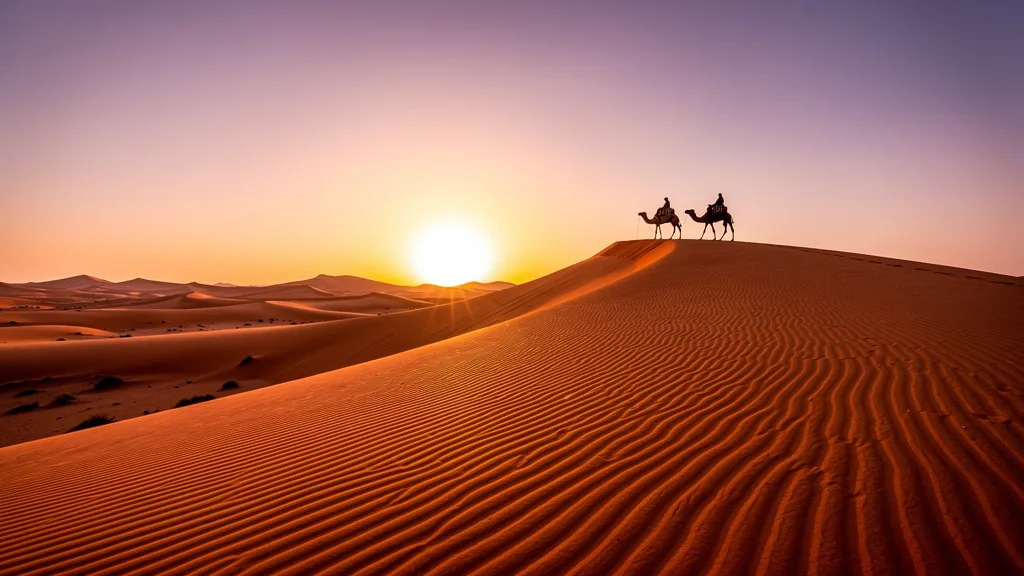
Morocco is the kind of country that rewards the self-driver with experiences you simply cannot get from an organized tour or a bus window. We drove from Marrakech over the High Atlas through the Tizi n’Tichka pass, watched the landscape shift from red-earth mountain villages to the palm groves of the Draa Valley, and arrived at the edge of the Sahara as the dunes turned orange in the late afternoon light. That sequence – city, mountains, desert – happens in under 400 km, and it is one of the most dramatic landscape transitions you can drive anywhere in the world.
Driving in Morocco is not always relaxing. City traffic is an acquired taste, police checkpoints are frequent, and the occasional donkey or flock of sheep on a mountain road keeps things unpredictable. But the road infrastructure has improved enormously, the autoroute network now connects the major cities with modern toll highways, and once you leave the cities behind, the open roads through the Atlas Mountains and the southern desert routes are genuinely spectacular.
Quick Facts for Driving in Morocco
| Detail | Information |
|---|---|
| Drive on | Right side |
| License required | National license + International Driving Permit (IDP) |
| Currency | Moroccan Dirham (MAD) – ~10 MAD per USD, ~11 MAD per EUR |
| Fuel (unleaded) | ~14 MAD per liter (~$1.40) |
| Diesel | ~12 MAD per liter (~$1.20) |
| Autoroute speeds | 120 km/h |
| National road speeds | 80-100 km/h |
| Urban speed limit | 40-60 km/h |
| Blood alcohol limit | 0.02% (effectively zero tolerance) |
| Emergency number | 112 |
| Compact car rental (low season) | 180-280 MAD/day ($18-28) |
| Compact car rental (peak) | 320-450 MAD/day ($32-45) |
Your Morocco Driving Guides
Driving in Morocco
The essential rules, customs, and conditions you need to understand before driving here. Speed cameras are everywhere, police checkpoints are routine, and the contrast between autoroute driving and medina-edge chaos is extreme. We cover road rules, license requirements, fuel, and the unwritten norms of Moroccan traffic.
Best Road Trips in Morocco
Five routes that showcase why Morocco is one of North Africa’s great driving destinations. Cross the High Atlas via the Tizi n’Tichka, navigate the Dades and Todra Gorges, cruise the Atlantic coast from Essaouira to Agadir, and drive the desert road to Merzouga and the Erg Chebbi dunes.
Airport Car Rental in Morocco
Morocco has three major airports for car rental: Marrakech Menara, Casablanca Mohammed V, and Agadir Al Massira. We compare agencies, explain the paperwork requirements, and flag the specific scams and pressure tactics you should prepare for.
Best Cities to Rent a Car in Morocco
Marrakech, Casablanca, and Agadir each present different challenges for drivers. Medina parking, ville nouvelle navigation, coastal cruise starting points – city-by-city breakdown of agencies, parking, and what to expect behind the wheel.
Car Rental Costs in Morocco
Morocco is affordable by European standards, but the pricing structure has its quirks. Daily rates in dirhams, insurance traps, toll highway costs, fuel prices, and specific tips for avoiding the charges that catch first-time visitors.
Why Morocco Works for a Road Trip
The landscapes are extraordinary. Within a single day’s driving, you can cross snow-capped mountains, weave through palm-lined river valleys, and reach the edge of the Sahara Desert. The Atlas Mountains alone offer enough winding passes and isolated Berber villages to fill a week of exploration. Few countries pack so many contrasting landscapes into driveable distances.
The autoroute network is modern. Morocco has invested heavily in toll highways connecting Tangier, Rabat, Casablanca, Marrakech, and Agadir. These are multi-lane, well-maintained, and fast – cutting drive times between major cities dramatically compared to the older national roads.
It is close to Europe. Just 14 km from Spain across the Strait of Gibraltar, Morocco is one of the most accessible North African destinations. Flights from European cities are frequent and affordable, and some visitors even drive from Spain via the Tangier ferry. Neighboring Portugal and Spain are natural combinations for multi-country trips.
The culture shift is immediate. The moment you clear the airport, you are somewhere fundamentally different from Europe. The architecture, the food, the light, the sounds – Morocco is a sensory experience, and seeing it from behind the wheel at your own pace lets you absorb it properly.
The value is excellent. Even accounting for the tendency of rental agencies to push optional extras, Morocco remains one of the cheapest car rental destinations accessible from Europe. A week in a compact car with fuel, tolls, and reasonable insurance coverage runs USD 350-500 – less than equivalent trips in France or Spain.
You cannot get here by train. The romantic routes to Morocco’s interior – the Draa Valley, the Dades Gorge, Erg Chebbi – have no public transport to speak of. A rental car is not just convenient; it is the only practical way to see the parts that make Morocco unforgettable.
Practical Information
When to go: Spring (March-May) and autumn (September-November) are ideal for driving. Summer brings extreme heat in the interior and desert (45+ degrees C in Ouarzazate and Merzouga), though the coast stays pleasant. Winter is mild along the coast, cool in the mountains (some passes may close briefly due to snow), and comfortable in the desert.
Driving license: Your national license plus an International Driving Permit. Moroccan police and rental agencies both require the IDP, and police check documents frequently at roadside checkpoints. Get the IDP before you arrive – it cannot be obtained in Morocco.
Roads and driving: Right-hand traffic. The autoroute is excellent, national roads (routes nationales) are generally good, and rural roads vary from adequate to challenging. Mountain passes are paved but narrow with steep drops. City driving, especially near medinas, is chaotic and demands patience.
Fuel: Gasoline costs about 14 MAD per liter (~$1.40), diesel around 12 MAD (~$1.20). Stations are common on main routes and in towns. Fill up before desert and mountain routes where stations are sparse.
Traffic culture: Moroccan driving is assertive. Lane discipline is loose, overtaking is aggressive, and the gap between autoroute driving (orderly, fast, well-behaved) and city driving (chaotic, horn-heavy, creative) is dramatic. Pedestrians, cyclists, mopeds, and the occasional donkey cart share the road outside cities. Police checkpoints are frequent – always carry your license, IDP, passport, and vehicle documents.
Night driving: We strongly recommend avoiding night driving on rural and mountain roads. Unlit vehicles, pedestrians in dark clothing, livestock on the road, and the near-total absence of road lighting outside cities make after-dark driving genuinely dangerous. Stick to autoroutes if you must travel at night.
Start with our driving guide for the full picture of road rules and conditions, or head to the best routes if you are ready to plan your itinerary. For budget details, our costs breakdown has the numbers you need.