 DriveAtlas
Car Rental in Mexico 2026
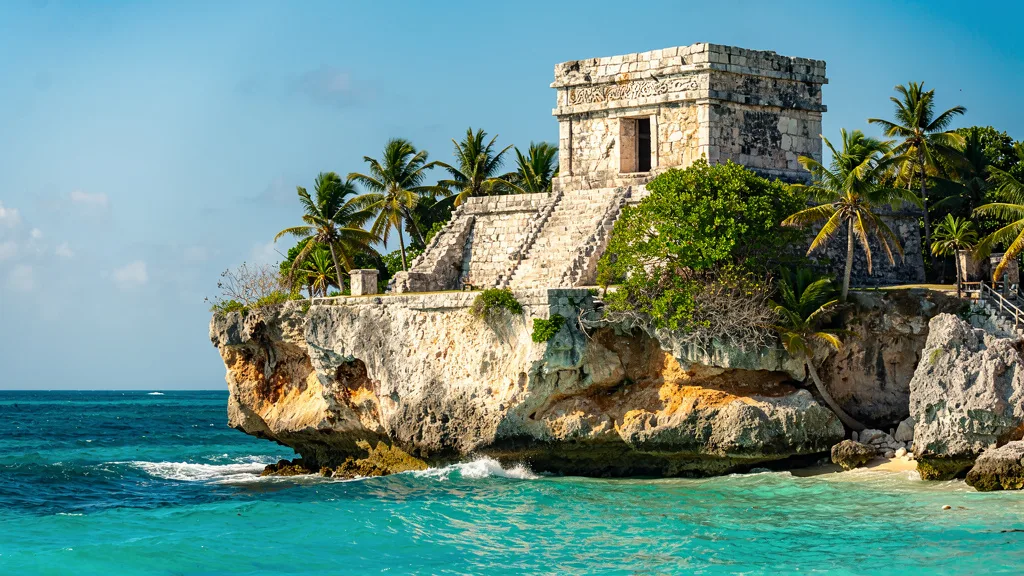
Mexico is a country that reveals its best self from behind a windshield. The tourist zones – Cancun’s hotel strip, Playa del Carmen’s Quinta Avenida, the all-inclusive bubble – are fine, but they represent roughly 1% of what this vast, varied, frequently bewildering nation has to offer. Rent a car and suddenly the Yucatan’s cenotes, ancient ruins, and Caribbean coast villages are yours to explore without the tour bus schedule. Drive the Baja California peninsula and you get Pacific sunsets, desert landscapes, and fish tacos at stands that have no name but have been there for forty years. Head into the highlands around Oaxaca and the road itself becomes the attraction.
We have driven in Mexico multiple times across different regions, totaling over 5,000 km. The experience ranges from effortless (Riviera Maya’s flat coastal highway) to character-building (Mexico City’s 6-lane chaos at rush hour) to genuinely exhilarating (the Sierra Norte mountain roads in Oaxaca). The car rental market is mature, competitive, and – with the right knowledge – offers excellent value. The key word is “knowledge.” Mexico has more rental car traps per square meter of airport terminal than almost any country we have visited, and understanding them before you arrive saves both money and frustration.
Why Rent a Car in Mexico
Mexico’s public transport varies wildly by region. First-class buses (ADO, ETN) are excellent for point-to-point travel between cities, but they do not reach the cenotes, beaches, archaeological sites, and villages that make the country extraordinary. Taxis and colectivos work for short hops but are inefficient for touring. Uber exists in major cities but not in rural areas.
A rental car opens up the country. In the Yucatan alone, having a car means you can visit Chichen Itza at opening (before the crowds), swim in three cenotes in an afternoon, detour to the pink lakes of Las Coloradas, and end the day at a beach with nobody on it. Try doing that on a bus schedule. In Baja California, the rental car is not just useful – it is the trip. There is no meaningful alternative to driving the Transpeninsular Highway through desert and mountain scenery that stretches for a thousand kilometers with almost nobody on it.
The math also works. A rental car in the Yucatan, shared between two people, often costs less per person than tour buses and transfers to the same set of destinations – and delivers freedom that no itinerary can replicate.
What to Explore
- Driving guide – Road rules, topes (speed bumps), libre vs. cuota highways, police stops, and safety
- Best road trips – Yucatan circuit, Baja California, Oaxaca highlands, and the Riviera Maya strip
- Airport car rental – Cancun, Mexico City, and other airports with trap-avoidance strategies
- Top cities for car rental – Mexico City, Playa del Carmen, and Tulum compared
- Costs and tips – Daily rates, mandatory insurance, fuel, tolls, and saving strategies
Practical Quick Facts
| Detail | Info |
|---|---|
| Drives on | Right side |
| Speed limit (highway) | 110 km/h (cuota), 80 km/h (libre) |
| Speed limit (urban) | 40-60 km/h |
| Currency | Mexican peso (MXN), ~17.5 MXN = $1 |
| Fuel price | ~23-25 MXN/L ($1.31-1.43) |
| Toll highways | Yes, significant costs on long routes |
| Rental prices from | ~25-40 USD/day |
| International license | Not required but recommended |
| Country code | +52 |
| Emergency number | 911 |
When to Visit
Mexico’s best driving season depends on the region. The Yucatan and Caribbean coast are ideal from November to April (dry season, comfortable temperatures). Baja California is pleasant year-round with peak season in winter. The Pacific coast (Puerto Vallarta, Oaxaca coast) is best from November to May, before the summer rains.
Summer (June-September) brings rain to most of Mexico – afternoon thunderstorms in the Yucatan, heavier sustained rain on the Pacific coast, and occasional hurricane risk along both coastlines. Roads remain drivable, but visibility drops during storms and some rural roads may flood temporarily.
The Christmas-New Year period (December 15 - January 6) and Semana Santa (Easter week) are peak domestic travel periods. Highways are busy, rental prices spike, and popular destinations fill up. Book well ahead for these dates.
The Insurance Question
Every first-timer in Mexico hits the insurance conversation and most come out confused. The short version: Mexican law requires third-party liability insurance from a Mexican-authorized provider. Your US, Canadian, or European insurance policy does not count. This coverage is non-negotiable – without it, being involved in an accident can result in vehicle impoundment and detention while responsibility is sorted out.
The good news is that reputable booking platforms (Rentalcars, Discovercars) and international agency direct bookings typically include this mandatory liability coverage in the quoted price. Book through them, confirm the liability coverage is included, and check whether your credit card covers collision damage – many premium cards do for Mexico. Combined, this strategy can eliminate the need to buy any additional insurance at the counter.
Region by Region Summary
Yucatan and Riviera Maya: The most tourist-friendly driving environment in Mexico. Highway 307 from Cancun to Tulum is flat, well-marked, and toll-free. The cenote-rich interior roads are good quality. Cuota highways connect major cities. This is where most first-time Mexico drivers should start.
Baja California: Long, empty, and beautiful. The Transpeninsular Highway (Mex-1) is the only paved road for much of the peninsula. Services can be sparse – fuel planning matters. The driving itself is the attraction.
Central Mexico and Oaxaca: World-class cuota highway infrastructure connecting Mexico City to Puebla, Oaxaca, and the coast. Mountain roads south of Oaxaca city are demanding (tight switchbacks, steep grades) but manageable with daylight driving and a decent car.
Pacific Coast: Puerto Vallarta and the Riviera Nayarit are easy driving. The coast south toward Mazatlan involves longer distances. The road from Oaxaca City to Puerto Escondido is the most dramatic – and most exhausting – descent in the country.
Mexico rewards the driver who comes prepared. Understand the insurance, respect the topes, take the toll highways when they make sense, and give yourself permission to stop at every roadside stand that smells good. That last part is not optional – the food alone justifies the car.
For general rental advice, see our car rental insurance guide.