 DriveAtlas
Car Rental in Reunion 2026
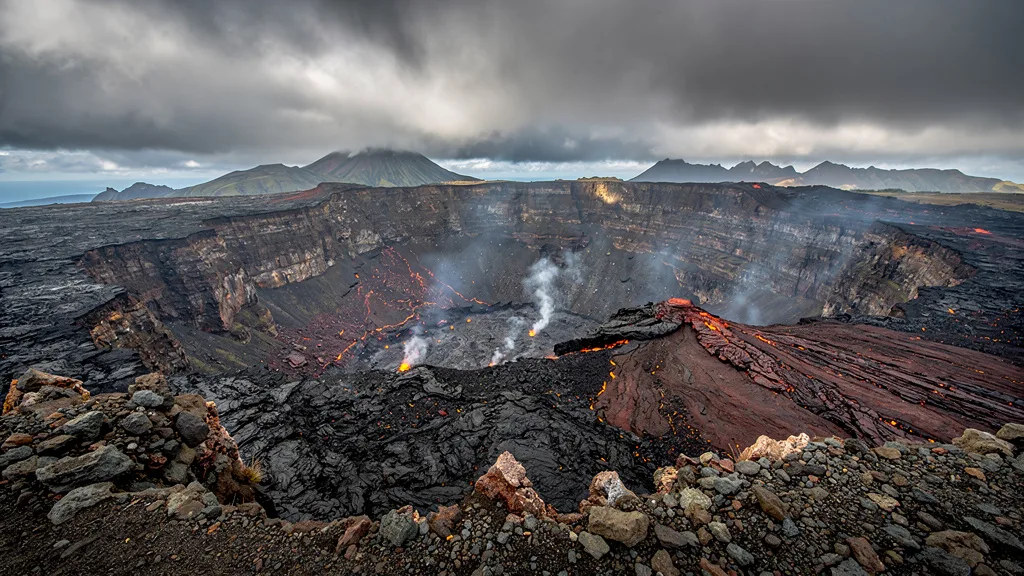
Reunion is the volcanic island nobody told you about. A French overseas department in the Indian Ocean, 700 km east of Madagascar, it rises from the sea to 3,070 meters (Piton des Neiges) and contains one of the world’s most active volcanoes (Piton de la Fournaise, which erupts roughly every year). We drove the Route des Laves – the road that crosses the lava fields on the volcano’s eastern flank – and watched steam rising from vents beside the asphalt while black basalt stretched to the ocean on both sides. It felt like driving on another planet. Then we descended to a beach for lunch and had excellent French cuisine with local Reunion spices. This island is one continuous contrast.
Renting a car on Reunion is not just recommended – it is essentially mandatory. The island has limited public transport (some bus routes along the coast), no rail, and the interior is accessible only by road. The cirques (massive amphitheater-like valleys formed by volcanic collapse), the volcano, the mountain forests, and the coastal villages are all connected by roads that range from modern coastal highways to narrow mountain switchbacks. A car opens all of it.
Quick Facts for Driving in Reunion
| Detail | Information |
|---|---|
| Drive on | Right side (French rules apply) |
| License required | EU license valid; non-EU requires IDP |
| Currency | Euro (EUR) |
| Fuel (SP95 unleaded) | EUR 1.75 per liter (~$1.85) |
| Toll roads | None |
| Main highway speed limit | 110 km/h |
| Urban speed limit | 50 km/h |
| Blood alcohol limit | 0.05% |
| Emergency number | 112 |
| Compact car rental (low season) | EUR 28-38/day |
| Compact car rental (high season) | EUR 40-55/day |
Your Reunion Driving Guides
Driving in Reunion
French driving rules apply, with tropical island modifications. Mountain switchbacks, tropical downpours, and the particular challenge of navigating the cirque roads where the gradient can reach 12%. License requirements, speed limits, and local driving habits on both the coast and in the mountains.
Best Road Trips in Reunion
Four routes that capture the island’s extraordinary diversity. The Route des Laves across the active volcano flank, the road into the Cirque de Cilaos with its 400+ curves, the coastal circuit around the full island, and the Salazie route with roadside waterfalls.
Airport Car Rental in Reunion
Roland Garros Airport in Saint-Denis is the main gateway. We compare the agencies (French and local brands), explain the insurance requirements, and cover the compact-vs-SUV decision for mountain driving.
Best Cities to Rent a Car in Reunion
Saint-Denis, Saint-Pierre, and Saint-Paul serve as bases for different parts of the island. Driving conditions, parking, and the practical differences between the north and south coasts.
Car Rental Costs in Reunion
Reunion uses the euro and follows French pricing structures, which means it is more expensive than mainland France due to island logistics. Daily rates, insurance, fuel costs, and tips for managing the budget on this exceptional island.
Why Reunion Works for a Road Trip
The landscapes are extraordinary. Three cirques (Cilaos, Salazie, Mafate), an active volcano, tropical forests, sugar cane fields, and beaches of both white and black sand – on an island measuring only 63 km by 45 km. The geological variety is genuinely staggering, and the transitions between ecosystems happen in minutes. You can drive from a beach with turquoise lagoon water to a mountain village that feels like rural Provence in under an hour.
The roads are surprisingly good. As a French department, Reunion benefits from French infrastructure investment. The coastal route nationale is a modern highway with tunnels and viaducts. The mountain roads are narrow but well-paved and maintained. The Route des Laves is regularly rebuilt after eruptions – literally. When new lava flows cover the road, workers come in and eventually repave it over the hardened basalt.
It is France in the tropics. European food safety, healthcare, road standards, and legal protections apply. You rent a car the same way you would in Nice or Lyon, but the scenery outside the window is a volcanic tropical island. The administrative familiar with the exotic – it is an odd combination that works remarkably well for the independent traveler.
The island is compact. The coastal road circles the island in about 3.5 hours without stopping. Nothing is more than 2 hours from anywhere else. You can explore a new part of the island every day without long drives, and still have time to hike or swim after arriving.
The cuisine and culture are unique. Reunion’s Creole culture blends French, African, Indian, and Chinese influences in ways that appear most directly on the dinner plate. Cari (curry), rougail saucisse, and dodo beer at a roadside stall after a day of mountain driving is a specific pleasure unavailable anywhere else on earth.
Practical Information
When to go: May to November (dry season/winter) offers the best driving conditions – clear skies most days, comfortable temperatures (20-25 degrees C on the coast, 10-15 degrees C in the mountains). December to April (wet season/summer) brings tropical rain, cyclone risk, and road closures from landslides. The volcano road is periodically closed during eruptions (check current status before planning any southeast coast driving).
Driving license: EU licenses are valid (Reunion is part of France/EU). Non-EU visitors need an IDP alongside their national license. French rental agencies are strict about documentation – bring both.
Roads and driving: Right-hand traffic, French rules. The coastal highway (Route Nationale) is modern and fast. Mountain roads are narrow, steep, and winding. The road into Cilaos has over 400 curves in 37 km. The route to Mafate cirque does not exist – Mafate is accessible only by foot or helicopter, which is part of what makes it special.
Fuel: Gasoline costs about EUR 1.75 per liter (slightly more than mainland France due to island shipping). Stations are common along the coast, scarce in the mountains. Fill up before any cirque or volcano drive – this is the single most important practical rule on Reunion.
Traffic culture: French-influenced but with island tempo. Coastal traffic can be heavy during commute hours (Saint-Denis to Saint-Paul corridor). Mountain roads are quiet. Locals drive the switchbacks with practiced confidence – let them pass if they are behind you, pull into a passing point promptly. They have been driving these roads their entire lives and will not wait patiently.
Start with our driving guide for the rules, or plan your routes with our best road trips. For budget details, check costs and tips. Reunion pairs naturally with Mauritius and the Seychelles for Indian Ocean island-hopping.