 DriveAtlas
Best Cities to Rent a Car in Qatar
Qatar is essentially a one-city country for car rental purposes. Doha dominates everything – the economy, the population (over 80% of Qatar’s 2.9 million residents live in the greater Doha area), and the rental car market. Al Wakrah and Dukhan exist, and they serve specific purposes, but your rental car will almost certainly come from Doha, and specifically from Hamad International Airport.
This is not a limitation. Qatar is small enough that every destination in the country is within 90 minutes of Doha. The city functions as both your base and your hub, and the highway network radiating outward is excellent in every direction. What makes Qatar useful for car rental is not the range of starting cities but the quality of the roads connecting everything from a single, excellent rental hub.
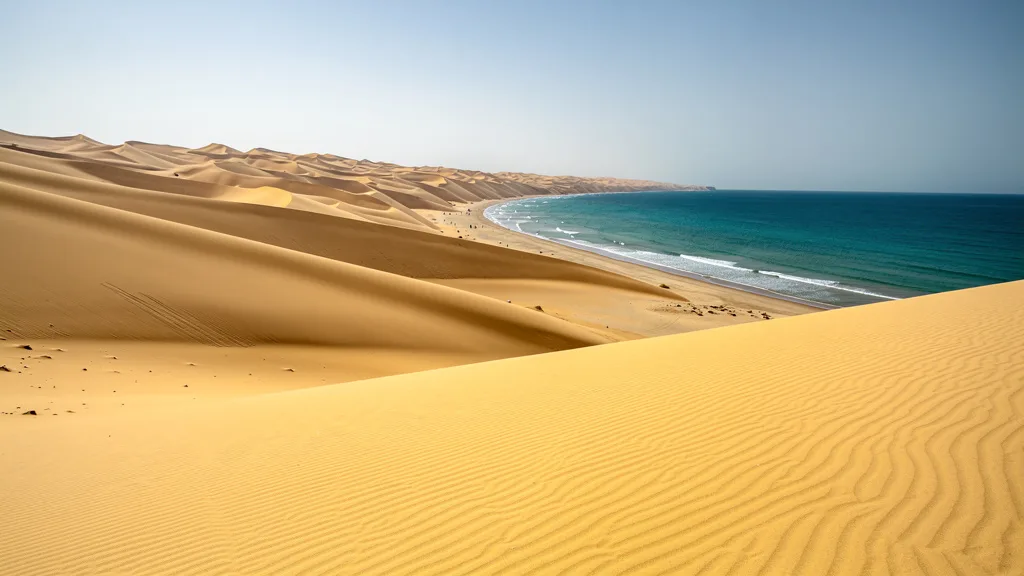
We have approached Qatar from every direction on these roads: south to Mesaieed and beyond to the Inland Sea sand dunes, north along the coast to Al Khor and the mangrove forest, west across the flat Dukhan Highway to the limestone formations near Zekreet, and east along the urban expressways connecting the airport to the gleaming towers of West Bay. Every route starts in Doha. Every route is better for having a car. And every route demonstrates why Qatar’s road infrastructure investment of the past decade was not wasted.
City Comparison
| City | Best For | Rental Options | Driving Difficulty | Parking |
|---|---|---|---|---|
| Doha | Everything | Excellent (10-12 agencies) | Moderate (rush hour traffic) | Easy (malls free, center metered) |
| Al Wakrah | Heritage coast, stadium area | Very limited | Easy | Easy (mostly free) |
| Dukhan | Western coast, desert | None (rent in Doha) | Easy | Easy |
| Al Khor | Northern coast, mangroves | None (rent in Doha) | Easy | Easy |
| Lusail | World Cup city, new development | Very limited | Easy | Moderate (paid lots) |
Distance and Drive Times from Doha Airport
| Destination | Distance | Drive Time | Road | Notes |
|---|---|---|---|---|
| Doha city center (West Bay) | 15 km | 20-30 min | Expressway | Standard first drive |
| Al Wakrah | 33 km | 30-40 min | Route 68 | Easy south route |
| Al Khor | 65 km | 50 min | Al Khor Coastal Road | Scenic north coast drive |
| Lusail | 30 km | 35 min | Lusail Expressway | New city, World Cup venues |
| Mesaieed (desert gateway) | 70 km | 55 min | Route 5 | Last fuel before dunes |
| Dukhan | 100 km | 1 hr 10 min | Dukhan Highway (R61) | Western coast, art installation |
| Al Jassasiya (petroglyphs) | 70 km | 1 hr | Coastal road north (R12) | Prehistoric rock carvings |
| Inland Sea (Khor Al Adaid) | 100 km + off-road | 1.5-2 hr | Route 5 → sand | 4WD mandatory |
| Zekreet Peninsula | 90 km + access track | 1 hr 20 min | Dukhan Highway + turnoff | Richard Serra installation |
Doha
Doha is where Qatar’s ambition meets the road. The city has transformed from a quiet fishing port into a forest of glass towers, sprawling suburbs, and gleaming infrastructure in the space of two decades. The skyline that rises from the Corniche – particularly in the West Bay area – looks like a city that was imagined in the 1970s science fiction genre and then actually built. For a driver, this means modern highways, some lingering construction, and a city that has largely figured out how to manage the traffic that a population explosion creates.
The World Cup of 2022 accelerated Doha’s development substantially. Eight stadiums, a new metro system, expanded highways, and an entire new planned city (Lusail) were built in under a decade. The road network that resulted is one of the most modern in the world. The traffic behavior remains a work in progress.
Doha is a city of approximately 1.5 million people in the greater metropolitan area, with a population that has grown sixfold since the 1980s. The growth rate has created a city where new districts materialize faster than maps can track them – GPS databases may show fields where a highway junction now stands. Keep your Google Maps updated and follow the actual road rather than the cached route when they conflict.
Rental Scene
Doha has the only significant rental market in Qatar, centered on Hamad International Airport. Downtown offices exist in the West Bay, Pearl-Qatar, and Industrial Area neighborhoods but are less convenient than the airport for most arrivals.
Airport (DOH): All major agencies with full fleet selection. This is where virtually all tourist rentals originate. See our airport guide for full details.
Downtown offices: Hertz, Avis, Europcar, and several local agencies have offices in the West Bay and Industrial Area. These serve primarily long-term expat residents and corporate clients. For tourists, the airport remains more practical.
Hotel delivery: Several agencies (Hertz, Avis, Al Muftah) offer vehicle delivery to Doha hotels for 50-150 QAR. Useful if you want to spend your first day exploring Doha on foot and pick up the car on Day 2.
Typical prices: Compact car from 80-250 QAR/day ($22-69). SUV from 150-400 QAR/day ($41-110). Full 4WD (Land Cruiser, Nissan Patrol) from 250-500 QAR/day ($69-137). Peak season (November-February) prices are 30-40% higher than summer rates.
Driving in Doha
Highway system: Doha’s ring roads and expressways are wide, fast, and well-signed. The concentric ring road system (B-Ring, C-Ring, D-Ring, E-Ring Roads) connects to the major expressways: Lusail Expressway (north to Lusail City and Al Khor), Dukhan Highway (west), Al Wakrah Road (south), and Salwa Road (south toward Saudi Arabia). GPS navigation is essential for specific addresses, as Doha’s street numbering is not intuitive.
Rush hour: 7-9 AM and 4-7 PM are genuinely congested periods. The Corniche, West Bay approaches, and C-Ring Road become slow. The D-Ring and E-Ring provide alternative routes around the core. Outside of these hours, Doha driving is smooth and fast.
Construction zones: Major infrastructure development continues in several areas. Construction zones appear and change configuration with limited advance notice. Follow GPS diversions and temporary signage carefully. The metro construction was largely completed for the World Cup, but residential and commercial development continues to reshape road patterns in outer districts.
The Pearl-Qatar driving: The artificial island has a pleasant internal driving experience – wide lanes, waterfront roads, and underground parking in several areas. The causeways (two main connections to the mainland) can be slow during peak times. Internal island roads are straightforward and well-signed. The Qanat Quartier within The Pearl has narrow canal-side lanes that require careful navigation. The speed limit on The Pearl’s internal roads is 30-40 km/h and is enforced.
Key Doha road landmarks:
- Corniche Road: 7 km waterfront boulevard, main scenic road, 60 km/h, wide
- C-Ring Road: inner ring connecting neighborhoods efficiently, 60-80 km/h
- D-Ring Road: mid-ring, connects to airport approach, 80 km/h
- E-Ring Road: outer ring, faster traffic, 80-100 km/h
- Lusail Expressway: north to Lusail City and Al Khor, 100-120 km/h
- Dukhan Highway (R61): west across the peninsula, 110 km/h
- Salwa Road (R5): southwest toward Saudi Arabia border, 100 km/h
Doha Neighborhoods by Car
| Neighborhood | Distance from Airport | Notable Roads | Parking |
|---|---|---|---|
| West Bay | 15 km | Lusail Expressway, Corniche | Mall free; center metered 3-10 QAR/hr |
| The Pearl-Qatar | 20 km | Corniche → Pearl Causeway | Underground 5-10 QAR/hr, some free |
| Souq Waqif | 18 km | D-Ring Road → Al Diwan St | Paid garage 5 QAR/hr |
| Museum of Islamic Art | 15 km | Corniche | Free dedicated lot |
| Lusail (south) | 25 km | Lusail Expressway | 3-5 QAR/hr paid areas |
| Al Waab | 20 km | D-Ring Road | Free mall parking at Villaggio |
| Industrial Area | 25 km | Industrial Area Road | Free street parking |
Parking
| Location | Type | Price | Notes |
|---|---|---|---|
| Shopping malls (all major ones) | Free garage | Free | Best strategy – infinite free parking |
| West Bay commercial district | Metered/paid lots | 3-10 QAR/hour | Financial district |
| Souq Waqif | Paid garage | 5 QAR/hour | Fills on Friday/Saturday evenings |
| The Pearl-Qatar | Underground, some free | 0-10 QAR/hour | Varies by area on the island |
| Corniche Road | Surface lots, some free | 0-5 QAR/hour | North section more free options |
| Hotels | Private | Usually included | Confirm at booking |
| Lusail Boulevard | Mixed | 3-5 QAR/hour | Newer, organized parking |
| Museum of Islamic Art | Dedicated lot | Free | Large, reliably available |
| National Museum of Qatar | Dedicated lot | Free | Jean Nouvel design, large lot |
Parking strategy: Use malls. Qatar’s malls are enormous and parking is always free. If you need to visit a specific area of Doha, identify the nearest major mall (Villaggio for West Bay/Pearl, Doha Festival City for northern areas, Mall of Qatar for western areas) and park there. Walk or use a short taxi/Uber ride for the final distance if needed. Doha is one of the few cities in the world where this strategy works reliably.
Day Trips from Doha
| Destination | Distance | Time | Highlights | 4WD Needed? |
|---|---|---|---|---|
| Al Wakrah | 18 km south | 20 min | Heritage souq, corniche, beach | No |
| Al Khor | 50 km north | 40 min | Mangroves, flamingos, coastal village | No |
| Lusail | 20 km north | 25 min | World Cup stadium, new city | No |
| Mesaieed (desert gateway) | 55 km south | 45 min | Industrial beach, last fuel before dunes | No |
| Inland Sea (Khor Al Adaid) | 80 km south | 1.5 hr + off-road | UNESCO desert/sea landscape, dunes | Yes (strongly) |
| Zekreet + Serra installation | 85 km west | 1.5 hr + access | Desert art, limestone formations | Recommended |
| Dukhan beach | 85 km west | 1 hr | Western coast, quiet beach | No |
| Al Jassasiya petroglyphs | 55 km north | 50 min | Prehistoric rock carvings | No |
Al Wakrah
Al Wakrah is Qatar’s second city, though calling it that somewhat overstates its independence from Doha – it functions more as a southern suburb that happens to have its own historical identity. The renovated Old Souq and corniche preserve Qatar’s pearl-diving and fishing heritage in a way that Doha’s rapid modernization has largely erased.
The Al Janoub Stadium (designed by Zaha Hadid) added a striking modern landmark to Al Wakrah for the 2022 World Cup – the stadium’s design references the traditional dhow sailing boat, and the exterior curves are meant to evoke sails. It is worth a drive-by even if you have no interest in football. The scale of the structure relative to the modest town around it is striking – it is a building that clearly belongs to a different ambition than the local context.
Al Wakrah’s Old Souq underwent significant renovation and is now a pleasant place to spend an evening – the covered lanes retain the scale and materials of the original buildings, the food options are authentic rather than tourist-oriented, and the dhow harbor behind the souq still hosts working fishing boats. The fish market near the harbor sells the morning’s catch, and the restaurants along the waterfront serve fresh seafood at prices significantly lower than comparable Doha establishments.
The drive from Doha to Al Wakrah via Route 68 takes 30-40 minutes from the airport and is straightforward. The road is multi-lane and well-signed. Al Wakrah itself is compact enough that a half-day trip covers all the main points – the Old Souq, the Al Janoub Stadium exterior, the waterfront, and the beach at Katara (the cultural village, 10 km north of Al Wakrah, is on the same southern route and worth combining).
Rental Scene
Al Wakrah has no practical rental market for tourists. A few local agencies operate in the industrial area outside town, but the selection, vehicle quality, and English-language service do not compare to Doha. The straightforward approach: rent from Doha airport and drive south – Al Wakrah is 18 km south of Doha center (33 km from the airport) and 20-30 minutes of easy highway driving.
Driving in Al Wakrah
Easy by any measure. The town is small, streets are wide and well-maintained, and traffic is light by Doha standards. The highway from Doha (Route 68/Al Wakrah Road) is fast and direct with clear signage. The Old Souq area has narrower lanes but the scale is manageable. A visit to Al Wakrah does not require advanced driving skills or local knowledge.
Parking in Al Wakrah
Free and easy throughout. The Old Souq has a dedicated parking lot (free, large). The waterfront and beach areas have ample surface parking. There is no paid parking in Al Wakrah. This alone makes Al Wakrah a refreshing change from Doha’s commercial center.
Dukhan
Dukhan is Qatar’s western oil company town, developed and operated primarily by QatarEnergy. It has no tourist infrastructure to speak of – no hotels open to independent visitors, no restaurants of note, no rental agencies. The reason to drive here is the nearby Zekreet Peninsula with its limestone mushroom rock formations and the Richard Serra land art installation, and the western coastline.
There are no rental agencies in Dukhan. Rent in Doha and drive west (85 km, 1 hour on the excellent Dukhan Highway, one of the straightest roads in Qatar).
Dukhan Highway (Route 61) driving: The Dukhan Highway is a two-carriageway road built for speed and efficiency. Speed limit is 110 km/h on most sections. The landscape is flat desert on both sides from about 20 km outside Doha – no shade, no shelter, no petrol stations for long stretches. Fill up in Doha before departing westward, particularly if visiting Zekreet and the Serra installation off the main highway. The drive itself is honest and functional rather than scenic, but the destinations at the end of it are worth the characterless highway.
Richard Serra’s “East-West/West-East” installation: Located in the Brouq Nature Reserve near Zekreet, this is Qatar’s most significant piece of public art and one of Serra’s most ambitious works. Four massive Cor-Ten steel plates (each 15 meters high, weighing approximately 80 tons) are placed across a stretch of desert, aligned along a straight axis for roughly 1 km. They are impossible to photograph properly because their power is entirely scale-dependent – photographs make them look like large steel slabs, which they are. Standing beside them in the empty desert, with nothing else of comparable scale for kilometers, they are extraordinary. Entry is free; the reserve access road is 4WD-recommended on most days and requires careful navigation from the Dukhan Highway turnoff.
Zekreet access: Turn off the Dukhan Highway approximately 60 km from Doha toward the Zekreet Peninsula. The access track is gravel and approximately 10-15 km. A 2WD sedan manages on dry days; 4WD is more confident. The limestone formations and Zekreet Fort are at the track’s end.
Zekreet’s limestone formations: These are weathered limestone mushroom rocks, carved by millennia of wind erosion into bizarre shapes – flat-topped pillars, leaning columns, abstract forms that manage to look both ancient and alien simultaneously. They photograph beautifully in the low light of morning or late afternoon. The Zekreet Fort (Al Zubarah style mud-brick structure) sits nearby and adds a historical layer to the geological one.
Al Khor (Northern Route)
Al Khor is a coastal town 50 km north of Doha, reachable via the Al Khor Coastal Road (Route 12) – one of Qatar’s more scenic drives. The road runs along the east coast, passing through the Al Dhakira mangrove area where boat trips are available to see the largest mangrove forest in Qatar.
Al Khor town itself has a renovated corniche and a heritage center documenting the fishing and pearl-diving history of Qatar’s north coast. The Al Bayt Stadium (World Cup venue) is nearby and visible from the main road – a structure that references the traditional bayt al sha’r (tent), with a retractable roof designed to be deconstructed and donated to a country in need of sporting infrastructure after the tournament. No rental agencies operate in Al Khor – rent in Doha and day trip north (40-50 minutes on the coastal road or expressway).
Al Dhakira mangroves: The mangrove forest north of Doha is accessible by kayak tours (various operators, approximately 150-250 QAR per person) or by road to viewing platforms. The forest is surprisingly dense for a Gulf country and provides habitat for herons, egrets, flamingos in season, and various wading birds. The autumn and winter months are best for bird activity. Flamingos (greater flamingo, Phoenicopterus roseus) appear at the lagoon edges in good numbers from November through March – an improbable sight in the Gulf context.
Al Khor Coastal Road (R12): The drive north from Doha is genuinely pleasant. The road parallels the coast, offering views across the shallow inshore waters to the low sandbars and the open Gulf. Speed limit is 100 km/h. The drive takes approximately 50 minutes from Doha center to Al Khor town. There are several pull-off points along the coast for views – the waters are calm and often populated with traditional dhows.
Lusail
Lusail is Qatar’s most ambitious urban project – a planned city built from scratch to be modern, sustainable, and functional. It was fast-tracked to completion for the 2022 World Cup (the Lusail Stadium hosted the Final) and continues to develop. Lusail Boulevard, the marina district, and the Fox Hills residential area are the main draws.
The Lusail Stadium capacity is 89,000 – it hosted the 2022 World Cup Final and the opening and closing ceremonies. The exterior is extraordinary: a gold-clad oval inspired by the patterns of traditional Arabian vessels and bowls, visible from considerable distance. Driving past it on the Lusail Expressway is genuinely impressive in a way that most stadium architecture is not.
There are a few car rental offices in Lusail’s commercial zones (primarily international agencies catering to the corporate residents), but for tourist purposes, all rentals originate from Hamad Airport. Lusail is 25-30 minutes north of the airport via the Lusail Expressway.
Driving in Lusail: The road planning is genuinely excellent – wide roads, logical grid, consistent signage. New enough that GPS databases may have more detail than older parts of Doha. Parking in the commercial areas (Lusail Boulevard, the stadium area) is paid and organized. Residential areas have free street parking.
Lusail Boulevard: The main entertainment and dining strip, running approximately 1 km through the city center with restaurants, cafes, and waterfront access. Street parking alongside the boulevard is metered; underground parking is available beneath the commercial blocks. The boulevard is a 5-10 minute drive from the Lusail Expressway exit.
Which City Should You Choose?
The answer is Doha, every time. Rent at Hamad International Airport for the most convenient experience, or arrange hotel delivery from a Doha-based agency for a 50-150 QAR surcharge. All other locations in Qatar are day trip destinations from Doha, not independent bases.
Qatar is structured this way by geography and population distribution. Doha contains everything: the best agencies, the widest fleet selection, the international competition that keeps prices reasonable, and the expressway network to reach every corner of the country in under two hours.
Decision Table
| Priority | Choice | Reasoning |
|---|---|---|
| Best selection and prices | Doha airport | Only competitive market |
| Nearest to beach | Al Wakrah (rent in Doha) | 20 min south |
| Desert access | Doha airport | 4WDs available, gateway to south |
| Inland Sea | Doha airport | Only 4WD-capable fleets |
| Western desert (Zekreet, Serra) | Doha airport | 1 hour on Dukhan Highway |
| Northern coast (Al Khor) | Doha airport | 40 min north on coastal road |
| World Cup sites | Doha airport | All stadiums within 45 min |
| Budget priorities | Doha airport (local agency) | Al Muftah/Hala offer lowest prices |
Driving Qatar: Practical Notes
Distances are short but roads are fast. Qatar has an area of approximately 11,500 km² – smaller than Connecticut, slightly larger than Yorkshire. The entire country fits within a two-hour drive from Doha. There is no destination in Qatar that requires overnight accommodation to access from the capital, though some itineraries (combining Inland Sea and Zekreet in the same day, for example) are long days.
The Qatar Doha Metro is an alternative for urban movement. Opened for the World Cup, the Doha Metro has three lines (Red, Gold, Green) covering major tourist areas including the Museum of Ethnography, Hamad Hospital, and Qatar National Library. If your first day is pure urban exploration around West Bay and Katara Cultural Village, the Metro is faster and cheaper than driving. Consider renting the car only for the days you are leaving the city.
Salik equivalent: There is none. Qatar has no toll roads. Budget accordingly – zero for tolls throughout your trip.
For airport rental details, see our Qatar airport guide. Driving rules are in our driving guide. Budget your trip with our costs guide. For nearby countries, check UAE and Saudi Arabia for regional planning.