 DriveAtlas
Best Road Trips in Qatar
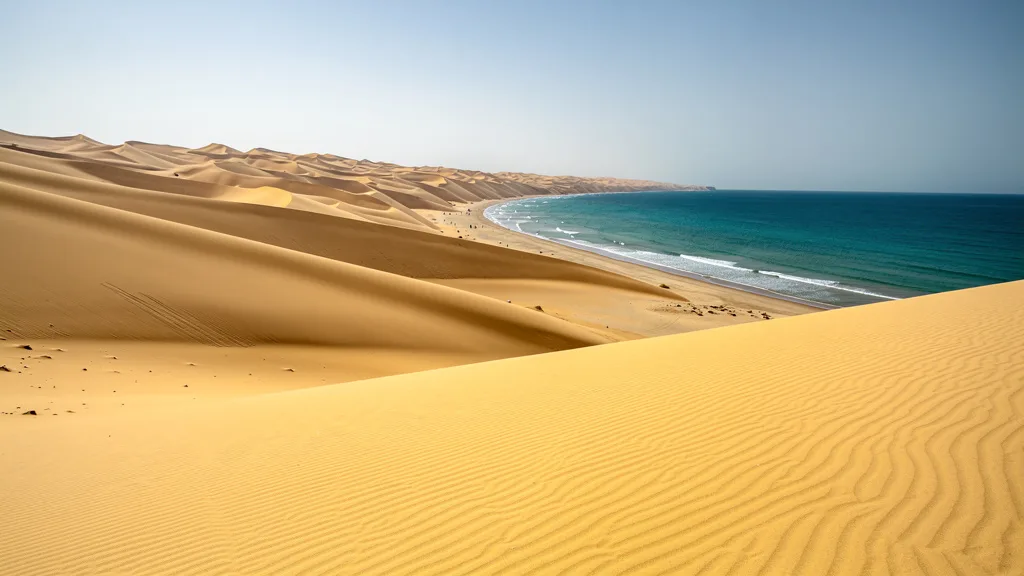
We will be honest: Qatar is not a road trip country in the traditional sense. There are no mountain passes, no winding coastal roads, and no week-long itineraries that unfold new landscapes daily. The country is flat, small, and shaped like a thumb. But within those constraints, Qatar offers driving experiences you cannot find elsewhere – most notably, the surreal Inland Sea where the Saharan dunes slide directly into the turquoise Gulf, creating a landscape that looks like two different planets colliding at the water’s edge.
The drives here are short. Nothing is more than two hours from Doha. What makes them worthwhile is the contrast: ultramodern city, then suddenly open desert, then an ancient fishing village, then dunes that dwarf your car. Qatar compresses these transitions into distances that feel impossibly short, which is either a limitation or a feature depending on how you approach it. We approach it as a feature.
Route Overview
| Route | Distance | Driving Time | Best Season | 4x4 Required? |
|---|---|---|---|---|
| Doha Corniche & Pearl-Qatar | 25 km | 1-2 hours | Year-round | No |
| Desert South to Inland Sea | 80 km (one way) | 1.5 hrs + off-road | Oct-Apr | Yes (for Inland Sea) |
| Al Wakrah Heritage Coast | 30 km | 1 hour | Year-round | No |
| West to Dukhan & Zekreet | 85 km | 1.5 hours | Oct-Apr | No (4WD for off-road) |
Combining Routes: 3-Day Qatar Driving Plan
Qatar’s compact size means every route is a day trip from Doha. We have done all four routes in three days comfortably, with time for stops and meals:
| Day | Route | Start Time | Return | Notes |
|---|---|---|---|---|
| Day 1 | Doha Corniche + Pearl-Qatar + Souq Waqif | 3 PM | 11 PM | Afternoon/evening drive; city at its best |
| Day 2 | Desert South + guided Inland Sea safari | 7 AM | 4 PM | Full day; organized tour from Mesaieed |
| Day 3 | Al Wakrah + Zekreet + Serra installation + Dukhan | 8 AM | 6 PM | Long day; pack water and fuel up before Zekreet |
Route 1: Doha Corniche and The Pearl-Qatar
| Distance: 25 km loop | Time: 1-2 hours (longer with stops) | Difficulty: Easy |
This is the quintessential Doha drive, and it is best done twice – once in the afternoon when the architecture is lit by the low sun, and once in the evening when the skyline lights up and the Corniche fills with families, joggers, and people taking photographs from every possible angle.
The Corniche sweeps 7 km along Doha Bay, with the West Bay skyscrapers rising on one side and the water on the other. The effect is dramatic, particularly from the road level where the towers seem to emerge directly from the bay. Qatar has spent enormous sums on its skyline, and from the Corniche, those expenditures are visible in a way that makes sense. The towers are not clustered randomly – they were planned as a collective skyline composition, and it works.
The route: Start at the Museum of Islamic Art (designed by I.M. Pei, opened 2008), which sits on its own promontory at the southern end of the Corniche. The museum’s geometric stone facade reflects in the water on three sides. Allow at least 90 minutes inside – the Islamic art collection spanning 14 centuries and three continents is exceptional. The museum café and restaurant have some of the best views of the Doha skyline from any seat in the city.
Drive north along the waterfront. The Corniche Road is a multi-lane boulevard with a wide pedestrian promenade on the water side. Pass the Sheraton Grand Doha with its distinctive pyramid shape (one of the oldest hotels in Doha, opened 1982, looking slightly bemused by its newer neighbors), continue through the dhow harbor (wooden traditional boats moored against the glass towers – a collision of centuries that works somehow), and enter the West Bay financial district.
From West Bay, follow signs north to The Pearl-Qatar, an artificial island built on reclaimed land. The Pearl is Qatar’s answer to Monaco – a marina-front development with luxury apartments, international restaurants, and retail that requires its own map to navigate. The Qanat Quartier area within The Pearl replicates Venetian canals with more success than you might expect. Drive the perimeter road for sea views on both sides.
Continue north past The Pearl to Lusail, the planned city built largely to host the 2022 World Cup. The Lusail Stadium (80,000 seats, where the World Cup Final was played) is visible from the road. Lusail Boulevard is a wide commercial street with fountains and restaurants. The Marina District of Lusail has a pleasant waterfront promenade with canal boats and evening crowds.
Best stops:
| Stop | Time Needed | Parking | Notes |
|---|---|---|---|
| Museum of Islamic Art | 1-1.5 hours | Free dedicated lot | World-class collection, worth the full visit |
| Dhow harbor | 15-20 min | Corniche road parking | Photo opportunity, no entry fee |
| West Bay skyline viewpoints | 15-30 min | Multiple pull-off points | Best at dusk |
| The Pearl-Qatar marina | 30-60 min | Underground parking (5-10 QAR/hr) | Walk or drive the marina front |
| Qanat Quartier | 30 min | Within Pearl parking | The fake Venice, better than expected |
| Lusail Stadium area | 20-30 min | Surface lots | Exterior view, photo stop |
| Souq Waqif | 1-2 hours | Paid garage (5 QAR/hour) | Park and walk – evening is best |
| National Museum of Qatar | 1-2 hours | Free lot | Jean Nouvel design; exceptional architecture |
Road conditions: Excellent multi-lane roads throughout. The Corniche Road has regular traffic lights and moderate congestion during evening rush hour (5-7 PM). Parking is available at all stops – the Museum of Islamic Art has a large dedicated lot, the Pearl has underground parking, and Souq Waqif has a paid parking garage.
Evening recommendation: The Corniche drive at 9-10 PM is particularly good – the towers are lit, the pedestrian promenade is busy, and traffic is lighter than during rush hour. Souq Waqif is best visited between 7-11 PM when it is fully animated. The falconry souq within Souq Waqif (where actual falcons are sold) is open in the evenings and is one of those utterly specific Qatari experiences you will not find anywhere else.
National Museum of Qatar: Opened 2019, designed by Jean Nouvel in the form of overlapping desert rose crystals. The building itself is extraordinary – a series of interlocking disc-shaped structures that cast ever-changing shadows. Entry is 50 QAR ($14) for adults. The Qatar narrative told inside is comprehensive, covering pre-oil Qatar through the present. Worth 90 minutes if you have it.
Route 2: Desert South to the Inland Sea (Khor Al Adaid)
| Distance: 80 km from Doha to Mesaieed, then off-road to Khor Al Adaid | Time: Half day minimum | Difficulty: Challenging (off-road section) |
This is the drive that justifies renting a car (or booking a tour) in Qatar. The Inland Sea is a UNESCO-recognized natural reserve where the desert meets the Gulf in a landscape of enormous sand dunes, pristine water, and seasonal flamingo populations. It is one of the few places in the world where a body of sea is accessible only through sand dunes – the Inland Sea is enclosed by dunes on three sides, with a narrow channel connecting it to the Gulf on the fourth.
The route: Drive south from Doha on the Mesaieed Road (Route 5), a well-maintained dual carriageway. The drive from Doha to Mesaieed is about 45 minutes – straightforward highway passing through industrial Qatar (the petrochemical plants and liquid natural gas facilities that power the country’s economy are visible to the west). The landscape here is industrial rather than scenic, but it tells a story: this is where Qatar’s wealth comes from, and the scale of the LNG facilities is genuinely impressive in its own way.
At Mesaieed, the paved road ends at the edge of the desert. From here to Khor Al Adaid (approximately 40 km of sand driving), you need a proper 4WD with deflated tires. The dunes are large – some reach 40-50 meters – and the track varies in difficulty depending on recent wind patterns and how many vehicles have passed.
Tire deflation for sand driving: Before entering sand, deflate tires to 15-18 PSI (from the standard 32-35 PSI). This dramatically increases the tire’s footprint on the sand, reducing the chance of getting stuck. There is a Woqod station in Mesaieed with an air compressor for re-inflation on return. This step is not optional – entering dunes with highway-pressure tires in a Land Cruiser is how you create a very expensive recovery situation.
Options for the Inland Sea:
Option 1: Self-drive with a 4WD rental
If you have desert driving experience and a proper 4WD (Toyota Land Cruiser or Nissan Patrol, not a crossover SUV), self-driving is possible. Requirements:
- Deflate tires to 15-18 PSI before entering sand
- Travel in convoy with at least one other vehicle
- Carry a tow rope, shovel, and sand boards
- Have GPS with offline satellite maps (the track is not always obvious)
- Carry 5-10 liters of water per person
- Have your rental agency’s emergency number accessible (most don’t have mobile signal beyond Mesaieed)
Getting stuck in the dunes without recovery equipment means an expensive helicopter call or a very long wait. Most experienced desert drivers we have spoken to recommend not attempting this solo on a first visit to Qatar.
Option 2: Guided desert safari (recommended)
Tour operators from Doha offer daily Inland Sea safaris (300-600 QAR per person, $82-165). These include 4WD dune bashing with experienced drivers, beach time at the Inland Sea, and often camel riding and a desert camp experience. The safety margin is much higher, the experience is social, and the cost may be competitive with or lower than renting a Land Cruiser for the day. For most visitors, this is the better choice.
Recommended tour operators:
- Regency Travel & Tours: 350-450 QAR per person, full-day, professional guides
- Qatar Holidays: 400-600 QAR per person, smaller groups, more personalized
- Arab Tours Company: 300-400 QAR per person, large group, budget option
Option 3: Sealine Beach
The Sealine Beach area is at the edge of the desert, accessible by 2WD on a paved road. It provides a taste of the desert environment and a beach, without the dune driving. Sealine Resort operates here with beach facilities (day passes available, entry varies by season, approximately 50-150 QAR per person). This is the compromise option for those without a 4WD who still want the desert edge atmosphere.
Best stops on Route 2:
| Stop | Access | Highlights | Season |
|---|---|---|---|
| Mesaieed town | 2WD | Industrial beach, last fuel stop | Year-round |
| Woqod station Mesaieed | 2WD | Fuel and tire air equipment | Year-round |
| Sealine Beach | 2WD | Desert edge beach, weekend picnic spot | Oct-Apr |
| Dune crests (self-drive) | 4WD | Desert panoramas, photography | Oct-Apr |
| Khor Al Adaid beach | 4WD required | Inland Sea water, dunes meeting sea | Oct-Apr |
| Flamingo lagoons | 4WD required | Bird life, seasonal (winter mostly) | Nov-Mar |
Safety notes:
- Never enter the dunes alone without recovery equipment
- Summer temperatures make desert driving dangerous (44+ degrees C) – this is not hyperbole
- Bring water regardless of season – the desert dehydrates faster than you expect
- Mobile phone coverage is limited beyond Mesaieed – download offline maps
- Check weather forecasts before going; sandstorms can develop rapidly and reduce visibility to near zero
The flamingo factor: Between November and March, Khor Al Adaid hosts migratory greater flamingos. The sight of a flock of flamingos on the Inland Sea beach with dunes behind them and the Gulf beyond is one of those images that genuinely does not look real when you photograph it. If bird life is a draw, aim for late November through mid-February for the best flamingo presence.
Route 3: Al Wakrah Heritage Coast
| Distance: 30 km from Doha center to Al Wakrah | Time: 1-2 hours | Difficulty: Easy |
Al Wakrah is the antidote to Doha’s glass-and-steel modernity. This coastal town 18 km south of the capital preserves Qatar’s fishing and pearl-diving heritage in a renovated souq and waterfront that feel genuinely old without being artificially preserved. The drive south along the coast passes through modern suburbs before arriving at something that resembles the Qatar of 50 years ago.
The Al Wakrah Old Souq was carefully restored over several years and reopened as a heritage and commercial area. Unlike some Gulf heritage projects that feel contrived, Al Wakrah has maintained enough of its original scale and character that wandering the narrow lanes between traditional coral-stone buildings feels authentic. Fishing boats still use the harbor. Local families shop at the market. The restaurants serve Gulf seafood at prices that have not been inflated for tourist consumption.
The route: Drive south from Doha on the Al Wakrah Road (Route 68/Al Wakrah Road). The highway is fast and direct. At Al Wakrah, exit for the Old Souq and corniche area. Park at the dedicated lot near the souq entrance (free, large, easy to find).
Walk the Old Souq (30-45 minutes), exploring the covered lanes, craft shops, and food stalls. The corniche walkway along the water provides views of the dhow harbor and the Gulf. Al Wakrah Beach (a short drive from the souq) has shaded pavilions and is popular with families.
Al Janoub Stadium: Designed by Zaha Hadid and opened for the 2022 World Cup, this is one of the architectural highlights of the entire tournament construction. The design references the traditional dhow sailing boat, with exterior curves meant to evoke sails. It is worth a slow drive around the perimeter and a stop for photographs. The stadium is 1 km from the Old Souq.
For a detour: the Al Jassasiya rock carvings (petroglyphs) are located about 55 km north of Doha on the east coast. These prehistoric carvings – cups, fish, ships, and other symbols cut into limestone rock – are among the earliest evidence of human presence in Qatar. The site is easily accessible by 2WD and has a small visitor area.
Best stops:
| Stop | Distance from Doha | Time Needed | Notes |
|---|---|---|---|
| Al Wakrah Old Souq | 18 km | 45-60 min | Renovated heritage souq; best 5-9 PM |
| Al Wakrah Corniche | 18 km | 20-30 min | Waterfront walk, dhow harbor |
| Al Wakrah Beach | 20 km | 30-60 min | Family beach with facilities |
| Al Janoub Stadium | 18 km | 20 min | Zaha Hadid design, photo stop |
| Al Jassasiya rock carvings | 55 km north of Doha | 30-45 min | Prehistoric petroglyphs; take detour on return |
Dining in Al Wakrah: The Old Souq has several authentic Gulf restaurants serving traditional fare. Machboos (spiced rice with lamb or chicken), harees (wheat and meat porridge), and fresh fish are the local staples. Prices are significantly lower than Doha restaurants for equivalent quality. The Al Wakrah branch of Msheireb Cafeteria is a local institution worth finding.
Road conditions: Excellent highways and local roads. Al Wakrah is easy to navigate with GPS. Parking at the Old Souq is free in a dedicated lot.
Route 4: West to Dukhan and Zekreet
| Distance: 85 km from Doha to Dukhan | Time: 1.5 hours to Dukhan (plan a full day with stops) | Difficulty: Easy (4WD for Zekreet off-road section) |
The western coast of Qatar is the country’s quieter side – oil infrastructure, flat desert plateau, and a few surprises including the surreal “mushroom rock” formations of Zekreet and one of the most significant contemporary land art installations in the world.
The route: Drive west from Doha on the Dukhan Highway, one of Qatar’s best driving roads. The highway is a wide, fast dual carriageway that heads due west from Doha across the flat Qatari plateau. The landscape transitions from suburban development to flat desert within 20 minutes, and remains desert for the full journey to the coast.
About 60 km from Doha, turn off toward the Zekreet Peninsula. Zekreet is a coastal area where millennia of wind and wave erosion have sculpted the limestone into formations that resemble giant mushrooms – a surrealist landscape in the middle of a flat desert. The area also contains the ruins of a small historic fort (Zekreet Fort) overlooking the sea. The fort is small but in reasonable condition and can be explored freely with no entry fee.
Richard Serra “East-West/West-East” (2014): This is the route’s most unexpected highlight. Commissioned by the Qatar Museums Authority, four massive Cor-Ten steel plates (up to 14.7 meters tall, 2.5 cm thick, each weighing several tons) are installed in a gravel valley southeast of Zekreet. The plates are aligned precisely east-west, so the afternoon sun illuminates one face completely while the other is in shadow, and the landscape passes through each plate’s frame like a series of natural photographs.
The approach track (approximately 15 km from the main road) is gravel and usually passable in a 2WD sedan on dry days, though a 4WD is more comfortable. There are no signs from the main road – GPS coordinates are essential (25.2817°N, 50.7586°E). The coordinates will take you to a gravel pull-off where the track begins; the installation is a short walk or 5-minute drive from there.
The Serra installation is free, open at all hours, and receives a fraction of the visitors it deserves given its scale and quality. We have visited it in the late afternoon when the warm light turns the weathered Cor-Ten steel from rust-red to deep amber, and the contrast with the pale gravel and blue sky is extraordinary.
Dukhan, at the western coast, is a QatarEnergy company town with limited public amenities. The beach at Dukhan is clean and usually uncrowded, with views west across the gulf toward Bahrain. Sunsets from the Dukhan waterfront are among the best in Qatar – the flat terrain allows an unobstructed view of the sun dropping into the Gulf, and the offshore gas platforms silhouette against it in a way that is either poetic or industrial depending on your perspective.
Best stops:
| Stop | Distance from Doha | Access | Time Needed |
|---|---|---|---|
| Zekreet limestone formations | 60 km west | 2WD (gravel track) | 30-45 min |
| Zekreet Fort ruins | 62 km west | 2WD | 15-20 min |
| Richard Serra installation | 65 km west | 2WD/4WD (gravel track, GPS required) | 30-60 min |
| Dukhan beach | 85 km west | 2WD | 30-60 min |
| Dukhan sunset viewpoint | 85 km west | 2WD | Sunset timing |
| Al Ruwais (north) | 100 km northwest | 2WD | Small coastal village, traditional atmosphere |
Road conditions: The Dukhan Highway is excellent. The Zekreet access track is gravel – manageable in a sedan on dry days but a 4WD is more capable. The Serra installation approach has a sandy section that a 4WD handles more confidently. If in doubt, walk the last 500-800 meters rather than risk getting stuck in sand.
The Dukhan Highway driving experience: Speed limit is 100-120 km/h throughout. The road is straight and flat enough that the horizon seems to recede at the same rate you drive toward it. Traffic is light outside commute hours (when QatarEnergy employees drive to and from the industrial area). The drive from Doha to Zekreet is honest highway driving – not scenic, but smooth and easy. The reward arrives at the destination.
Planning Tips
4WD decision: For Routes 1, 3, and the highway portion of Route 4, any sedan handles fine. For the Inland Sea self-drive (Route 2), a full body-on-frame 4WD is essential – no exceptions. For Zekreet (Route 4 off-road section), a 4WD is strongly recommended but a sedan can often manage on dry gravel.
Timing your drives: Do desert drives in the morning (start by 7-8 AM) during the cool months October-April. The light is best for photography in the early morning and late afternoon. Afternoon desert drives in summer are dangerous due to heat. Evening drives on the Corniche are particularly atmospheric.
Water: Always carry 3-5 liters per person for desert excursions. Qatar’s desert heat dehydrates rapidly even in winter if you are active. For summer driving, double this amount.
Combining routes: All four routes can be comfortably done in 2-3 days from Doha. Day 1: Doha Corniche and Pearl-Qatar (afternoon/evening). Day 2: Desert and Inland Sea safari (morning departure, full day). Day 3: Al Wakrah and Zekreet/Dukhan (full day).
GPS essentials: Download offline satellite maps for Qatar before driving. The Richard Serra installation in particular requires GPS coordinates – it is not visible from the road and there are no signs. Even in areas with mobile coverage, having offline maps is good practice for the desert routes where data signal weakens.
Fuel planning for all routes:
- Route 1 (Corniche/Pearl): Fuel anywhere in Doha; no planning needed
- Route 2 (Inland Sea): Fill up in Doha and again in Mesaieed before sand driving
- Route 3 (Al Wakrah): Easy – multiple stations on the route
- Route 4 (Dukhan): Fill in Doha; there are limited stations between Doha and Dukhan
For driving rules, see our Qatar driving guide. Budget planning is in our costs guide. For airport pickup, see our airport guide. UAE is a natural comparison destination for regional Gulf driving.